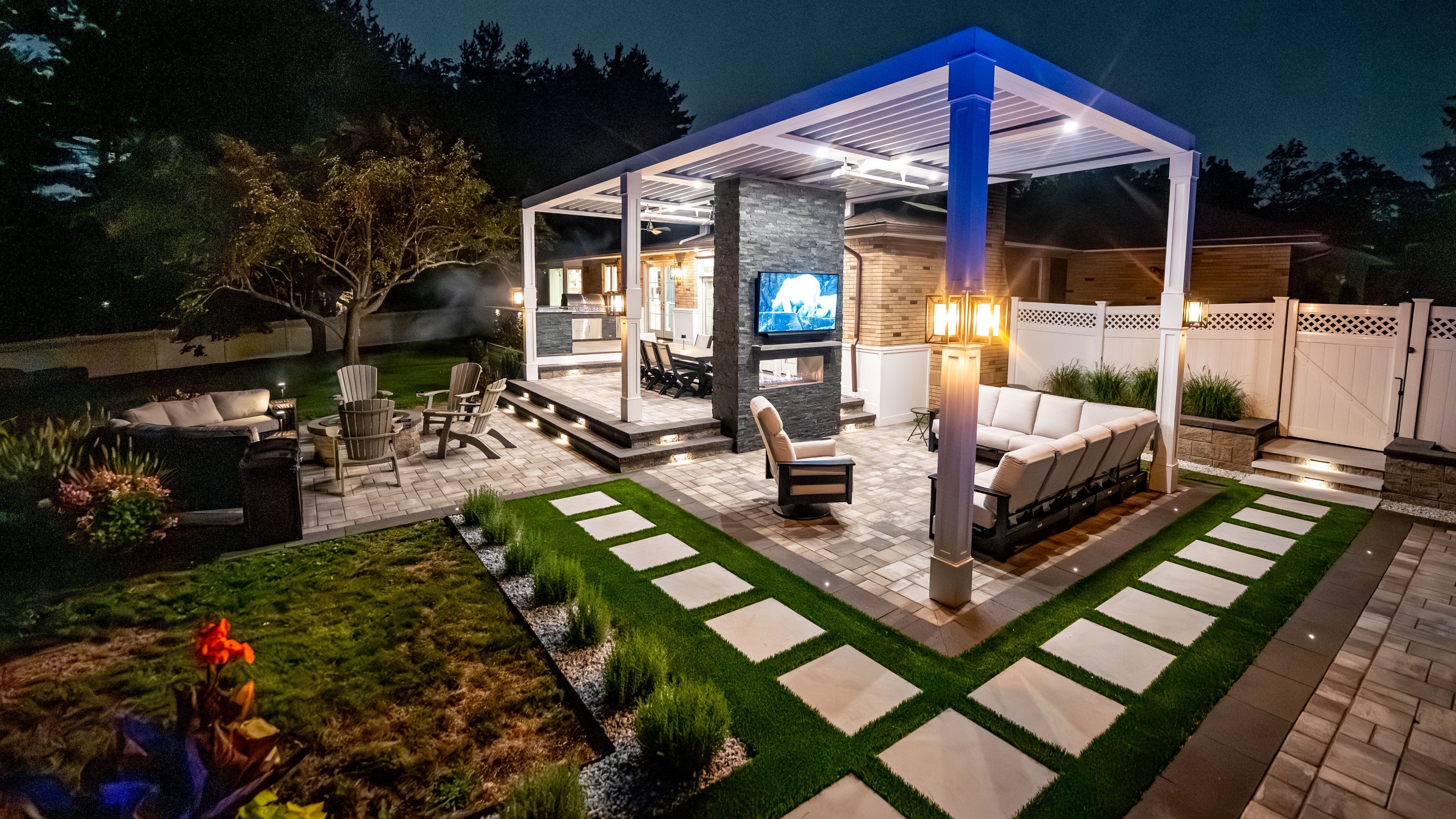
April 3, 2026
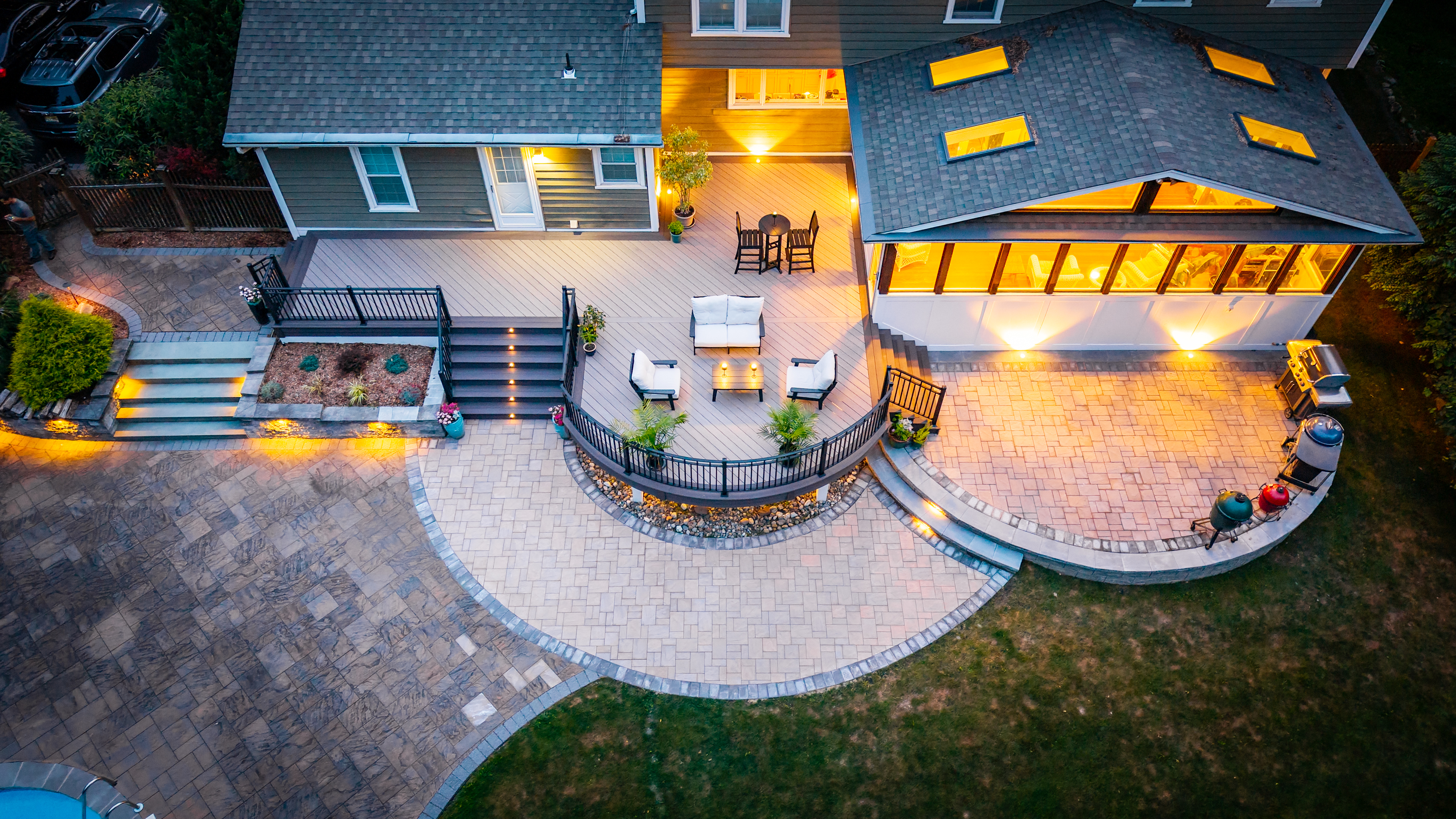
Over the past few years, something has shifted in the way homeowners think about improving their homes. The default path used to be simple. If you needed more space or wanted something better, you moved. Now, more homeowners are taking a closer look at what they already have and asking how to make it work better.
A big part of that shift comes down to the current housing market. Higher mortgage rates, limited inventory, and rising home prices have made moving a much bigger decision than it used to be. Instead of starting over somewhere else, many homeowners are choosing to invest in their existing space. That trend shows up clearly in the numbers, with home renovation spending climbing from roughly $337 billion in 2020 to over $427 billion just a couple of years later.
But once that decision is made, the next question becomes more important. If you’re going to invest in your home, where does that money actually go the furthest?
Not all renovations deliver the same return. Some projects improve aesthetics but don’t translate well to resale. Others add square footage but come with a high cost and a lower percentage of that cost recovered. The most effective upgrades tend to strike a balance between everyday usability and long-term value.
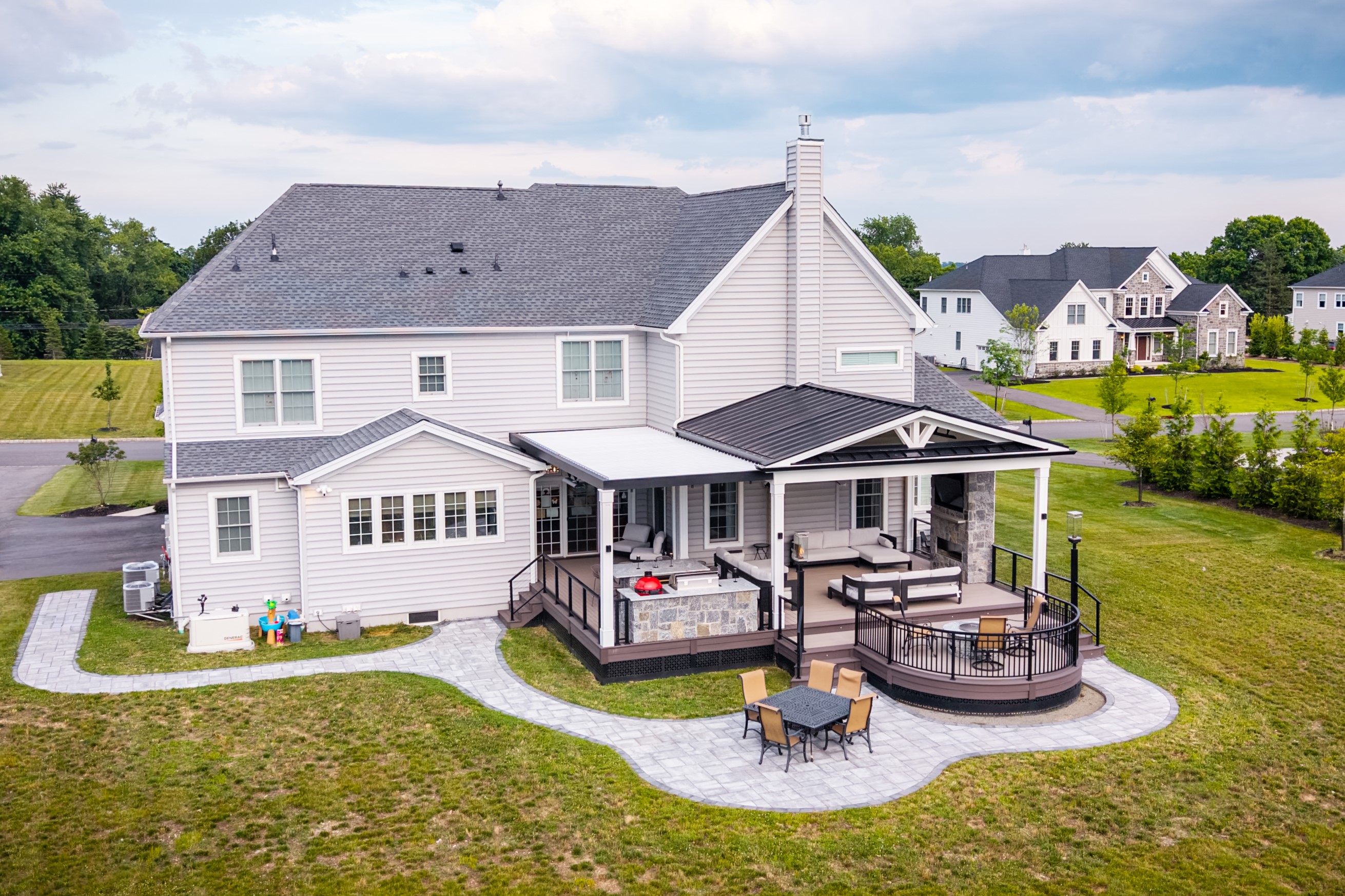
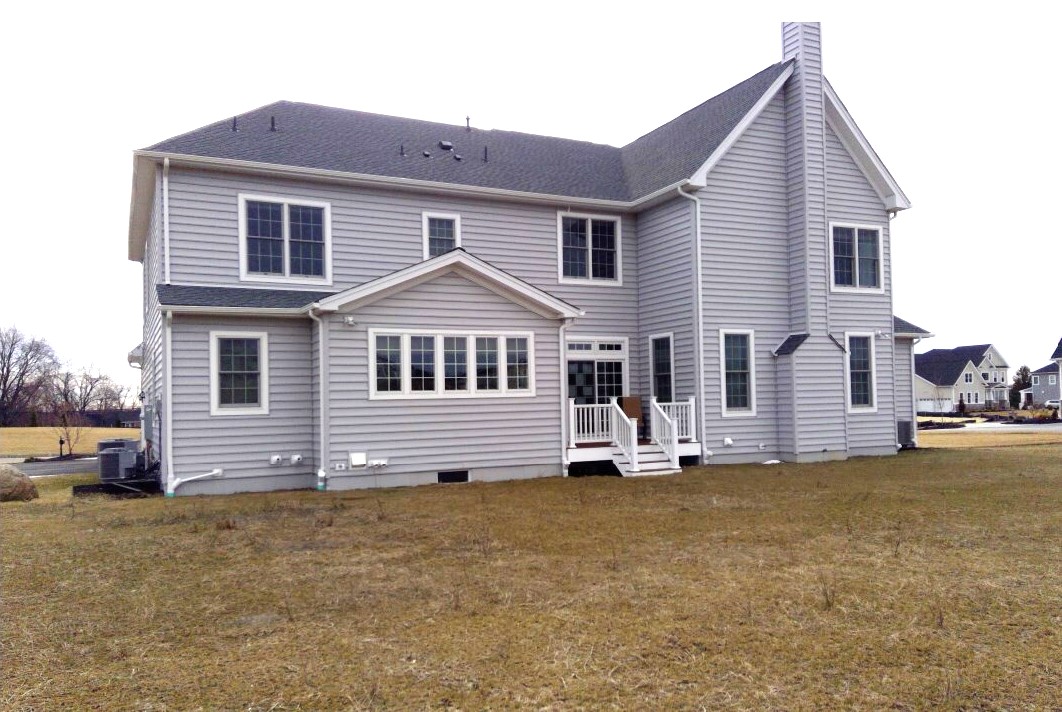
That’s where deck additions stand out. They expand how your home functions, create space you’ll actually use, and consistently rank among the highest-return projects in remodeling. For homeowners who plan to stay where they are and want to make a smart investment while improving their day-to-day life, a deck starts to make a lot of sense.
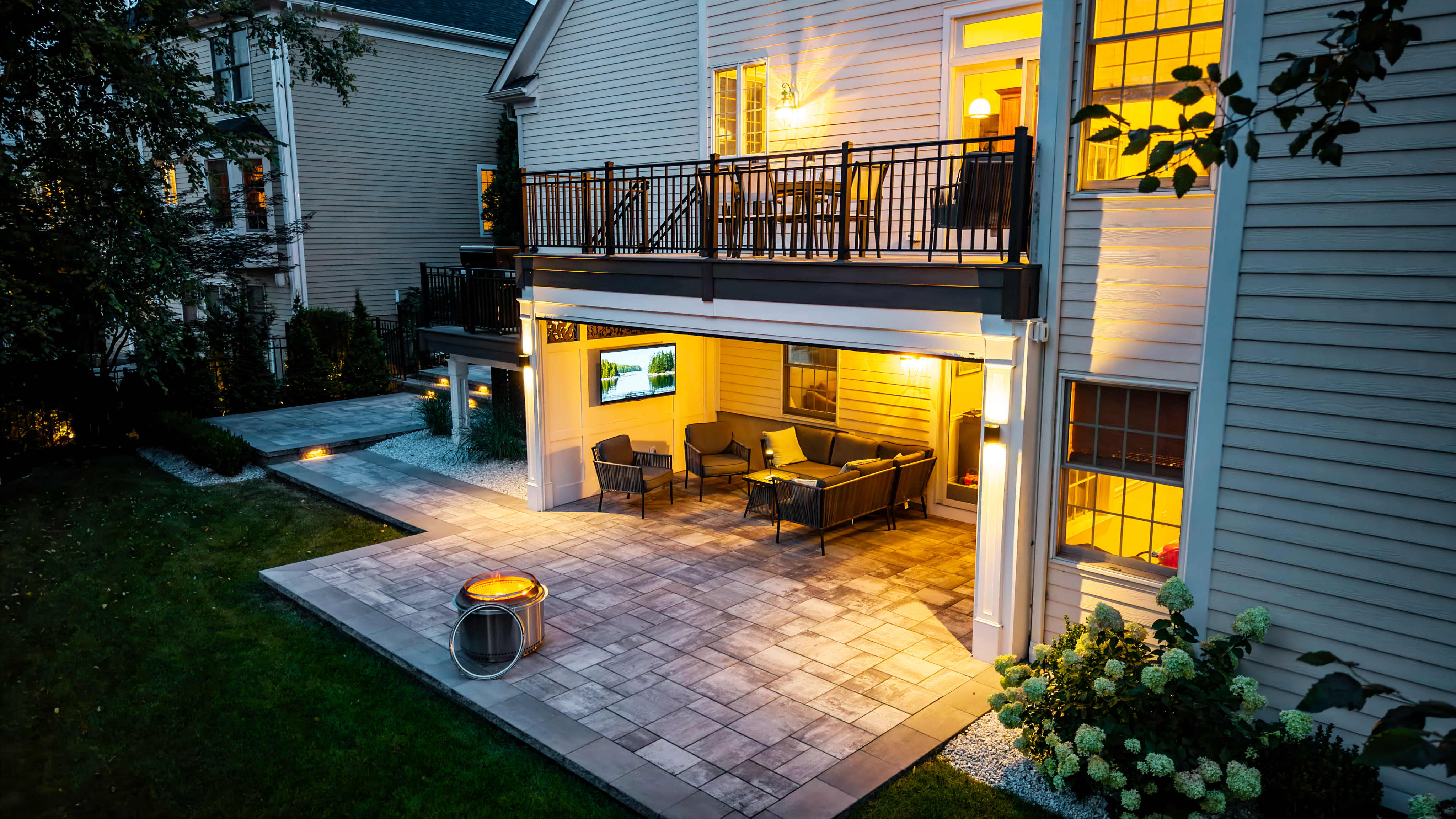
When homeowners start comparing renovation options, return on investment usually becomes a big part of the conversation. It’s a simple idea. How much of what you spend are you likely to get back when it comes time to sell? This is where decks consistently stand out.
Recent data shows that deck additions can return as much as 90% to 95% of their cost, with many projects landing around 80% on average. That puts them near the top of the list across all remodeling projects, especially when compared to upgrades that tend to get more attention.
For context, many major interior renovations fall well below that range. A high-end kitchen remodel or a primary suite addition often recovers closer to 50% of its cost. Those projects can still make sense depending on your goals, but from a strictly financial perspective, they are far less efficient.
Part of what makes a deck such a strong investment is the balance between cost and impact. You’re adding functional living space without the complexity and expense of a full addition. There’s no major structural expansion of the home, but the way the space is used changes significantly.
That combination is especially important right now. When homeowners are choosing to stay put instead of move, the goal isn’t just to spend money on upgrades. It’s to make smart decisions that improve the home while holding onto as much of that investment as possible. A deck does exactly that.
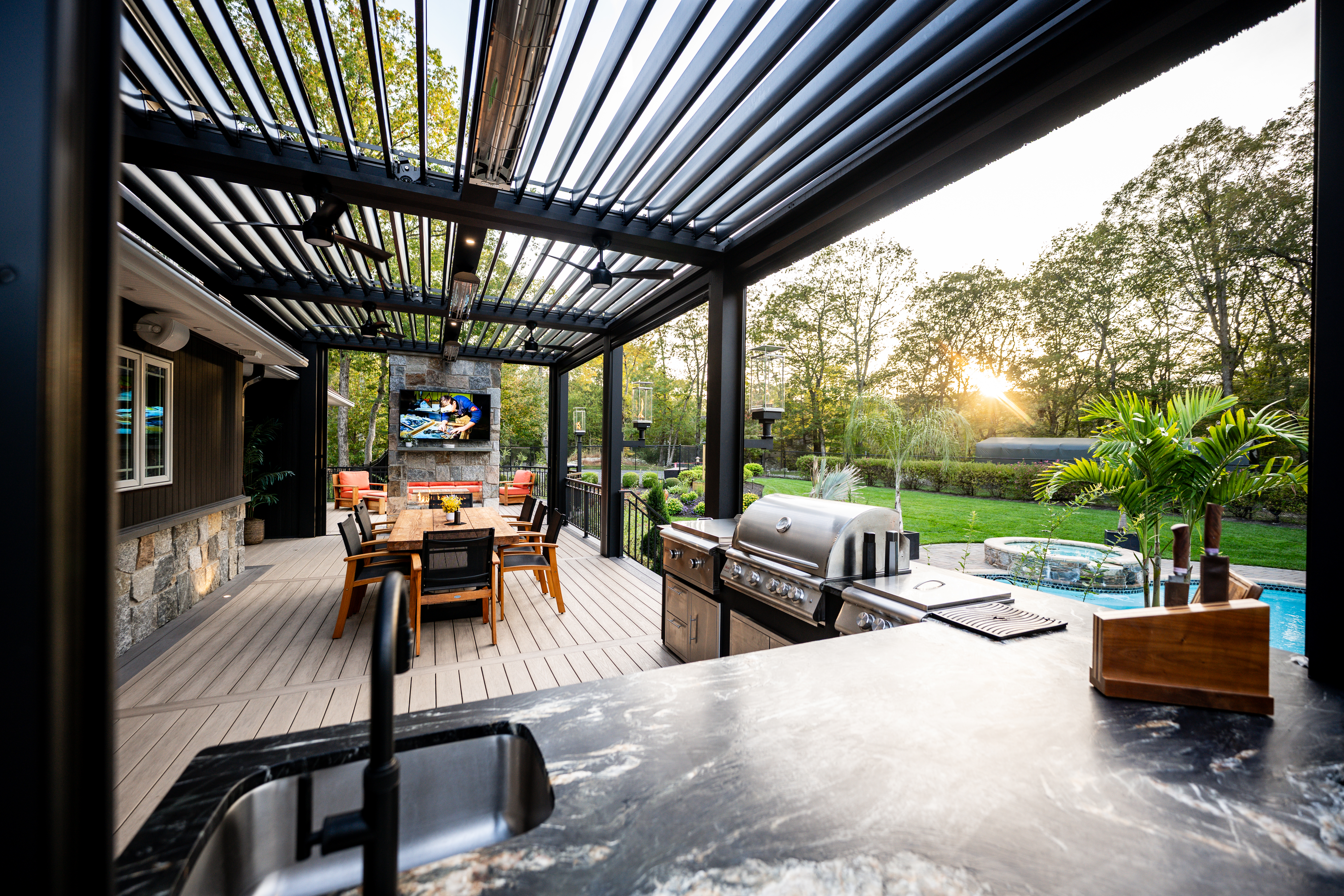
When homeowners start thinking about adding space to their home, the conversation often turns to larger projects like additions or full remodels. While those options can create more square footage, they also come with significantly higher costs and a lower percentage of that cost recovered.
A deck offers a different path. Even at a higher level, where projects can reach or exceed the cost of an addition, the overall investment tends to work more efficiently. Instead of pouring that budget into enclosed square footage, you’re creating a space that expands how the home is used in a more flexible way.
That distinction matters when it comes to return. Major additions often recover around half of their cost, while well-designed deck projects, even at a similar price point, tend to retain a much higher percentage of their value, often in the range of 85% to 95%. The upfront investment may be comparable, but the percentage you hold onto is significantly stronger.
The process itself is also more efficient. Larger interior renovations can take months and significantly disrupt how the home functions during construction. A deck project, even at a higher level, is more contained. You’re able to make a meaningful upgrade without fully reshaping the interior of the home or putting daily life on hold for an extended period.
For homeowners who are planning to stay where they are, this creates a compelling alternative. You can invest at a similar level to a major addition, gain a highly functional new space, and still benefit from a stronger overall return.

Financial return is an important part of the conversation, but it’s only part of the picture. The value of a deck shows up just as much in how often it gets used as it does in what it adds on paper.
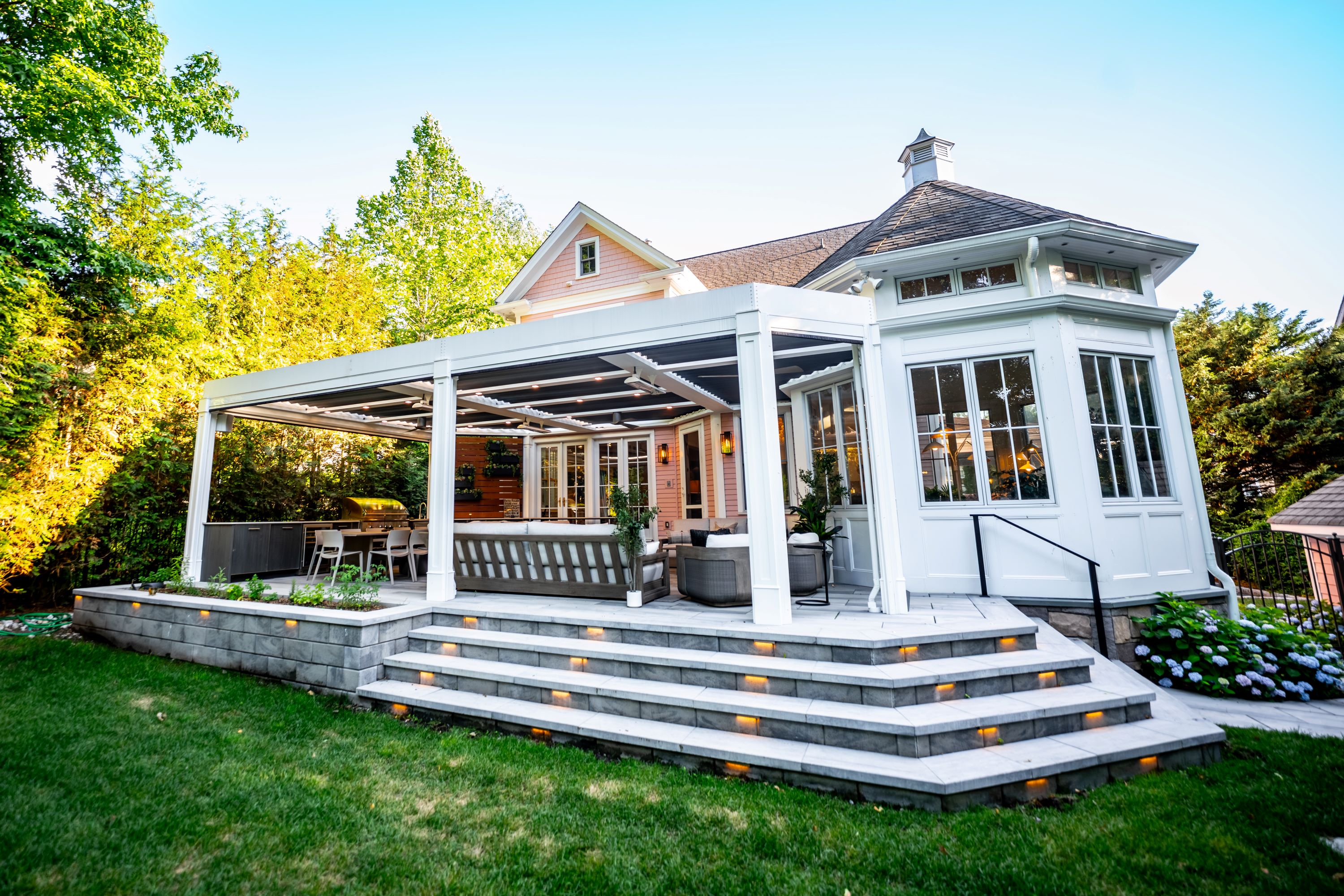
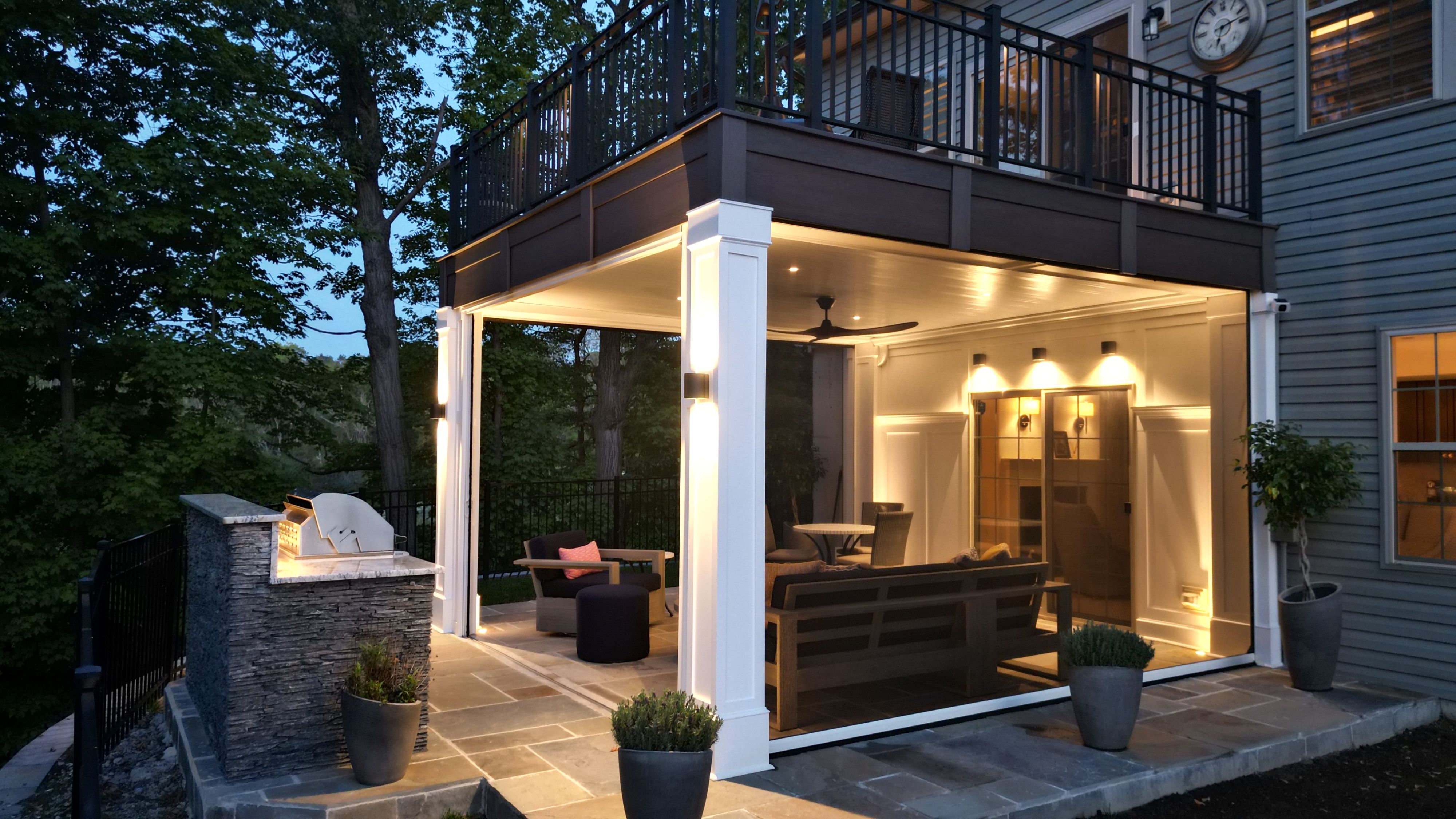
A well-designed deck becomes part of the daily routine. It’s where dinners move outside, where people gather when friends come over, and where homeowners spend time at the end of the day without having to leave their property. Instead of adding a single-purpose room, it creates a flexible space that supports a wide range of activities.
That kind of usability also plays a role when it comes time to sell. Buyers don’t just look at square footage, they respond to how a home feels. Outdoor living spaces tend to make a home feel larger and more complete, even if the interior footprint hasn’t changed. It becomes easier for someone walking through the home to picture themselves living there, which can have a real impact on perceived value.
At the same time, not every deck delivers that kind of return. The difference comes down to design. How the space connects to the home, how it’s laid out, and how it supports real use all influence both the day-to-day experience and the long-term value.
For homeowners who are planning to stay where they are, that distinction matters. You’re not just investing in resale. You’re investing in a space you’ll use regularly, which makes the return feel immediate as well as long-term.
For many homeowners, the question isn’t whether to invest in their home, it’s where that investment will make the biggest impact. In a market where moving comes with more uncertainty and higher costs, improving what you already have has become the more practical path.
Deck additions stand out because they deliver on multiple levels at once. They offer a strong return compared to other renovation options, they compete with larger projects at a similar investment level, and they create a space that actually gets used on a daily basis. That combination is hard to match.
More importantly, a deck changes how a home feels to live in. It creates room to spread out, spend time outside, and make better use of the space you already have. That kind of improvement doesn’t just show up in resale value. It shows up in how often you use your home and how much you enjoy it.
When you step back and look at the full picture, the decision becomes clearer. If you’re going to invest in your home, it makes sense to choose a project that works both financially and functionally. A well-designed deck does exactly that.
If you’re thinking about how to get more out of your home, the right design makes all the difference. A deck isn’t just an add-on, it’s a space that needs to function well, feel connected to the home, and hold its value over time.
At Deck Remodelers, we handle the entire process from initial design through permitting and construction. Every project is built around how you’ll actually use the space, with a focus on creating something that feels like a natural extension of your home while delivering long-term value.
If you’re ready to explore what that could look like for your home, reach out to start the conversation.