May 4, 2026
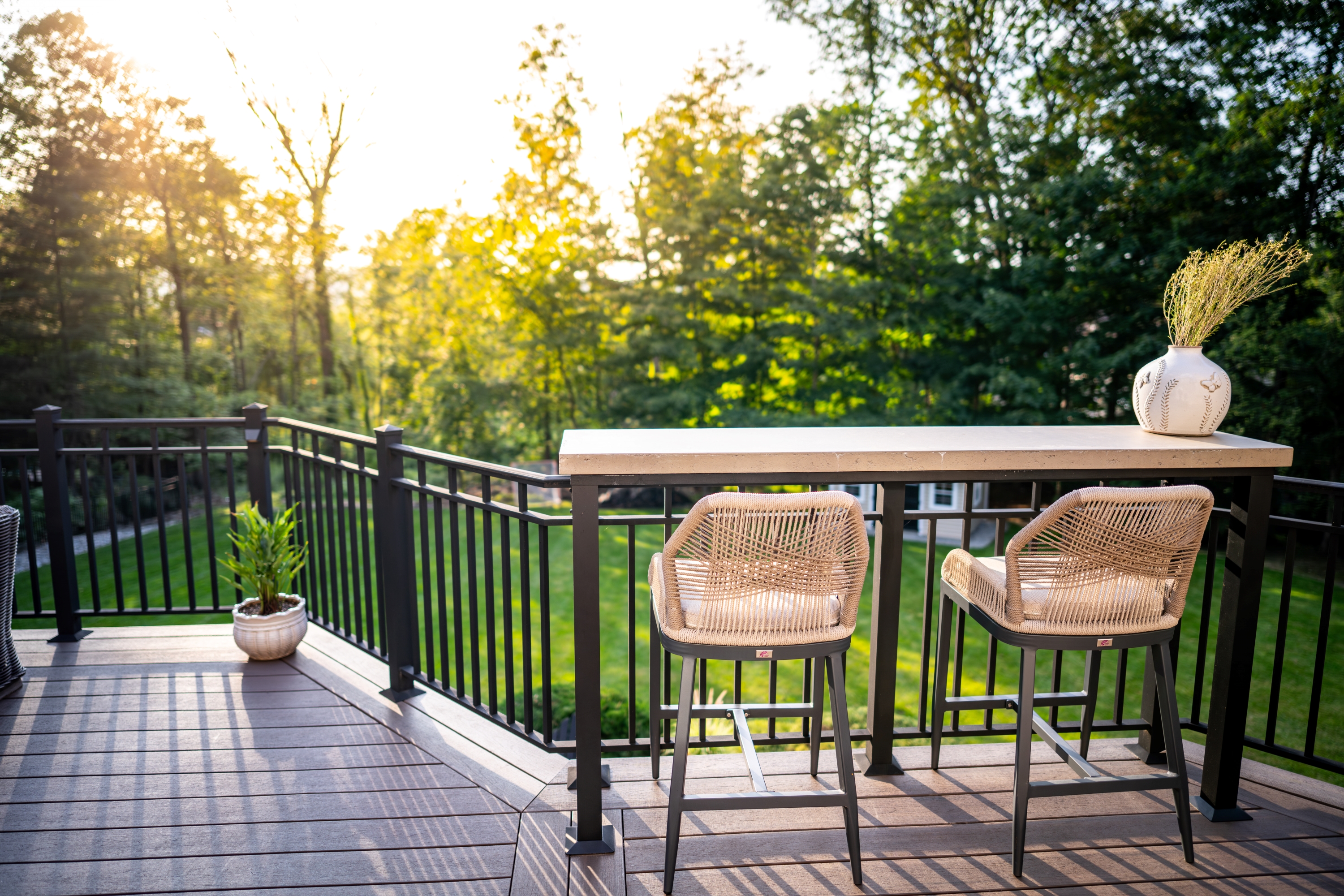
May is Mental Health Month, which tends to bring more attention to habits, routines, and ways to feel better day to day. What often gets overlooked is how much the spaces around us influence that. The environments we spend time in can either add to daily stress or help create moments to slow down, reset, and recharge.
That’s part of the reason outdoor living has taken on a different role for many homeowners. It’s no longer just about having a nice backyard or a place to entertain occasionally. More people are starting to look at their outdoor space as something they use regularly, even daily, whether that’s for a quiet morning, time with family, or simply getting outside for a bit.
This is where the idea of biophilic design starts to come into play. While the term may sound technical, the concept is straightforward. It’s about designing spaces in a way that feels more connected to nature and, in turn, more comfortable and restorative to spend time in.
When that approach is applied to a deck or outdoor living space, it can change how often the space gets used and how it feels to be there. Instead of being something you step out onto occasionally, it becomes a natural extension of your home that supports how you want to live and unwind every day.
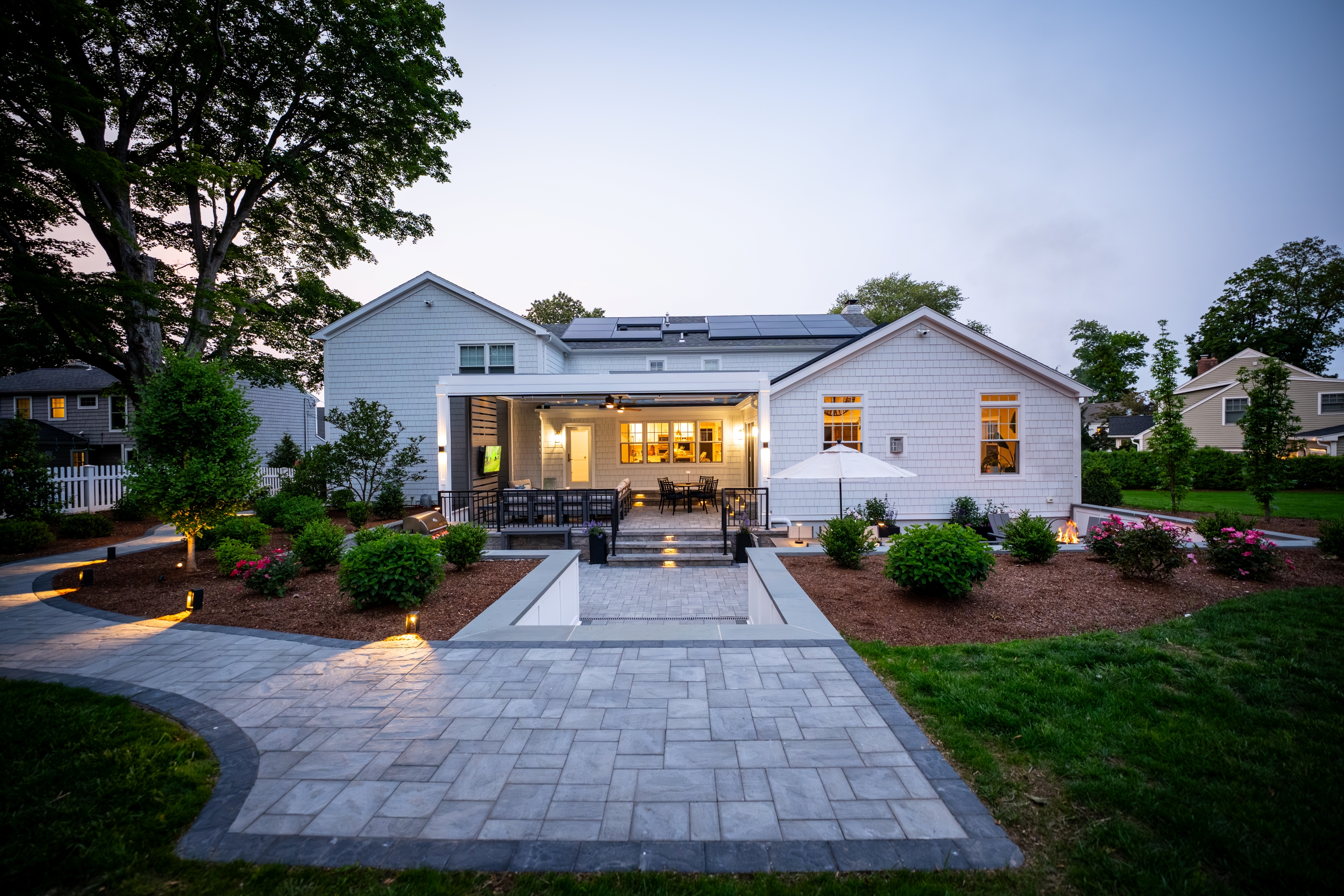
Biophilic design is built around a simple idea: people feel better when they’re connected to nature. It comes from the understanding that natural environments have a positive impact on how we think, feel, and function.
In practice, it’s not about adding a bunch of plants or overcomplicating a space. It’s about designing environments that reflect the qualities of nature in a way that feels comfortable and intuitive to use.
That usually shows up in three ways. Direct exposure to nature like sunlight, fresh air, and views of greenery. The use of natural-looking materials and textures like wood, stone, and more grounded color palettes. And the way a space is laid out, with a balance of open areas and more sheltered, comfortable spots.
When those elements come together, the result is a space that feels more calming, more natural to spend time in, and easier to use on a daily basis.
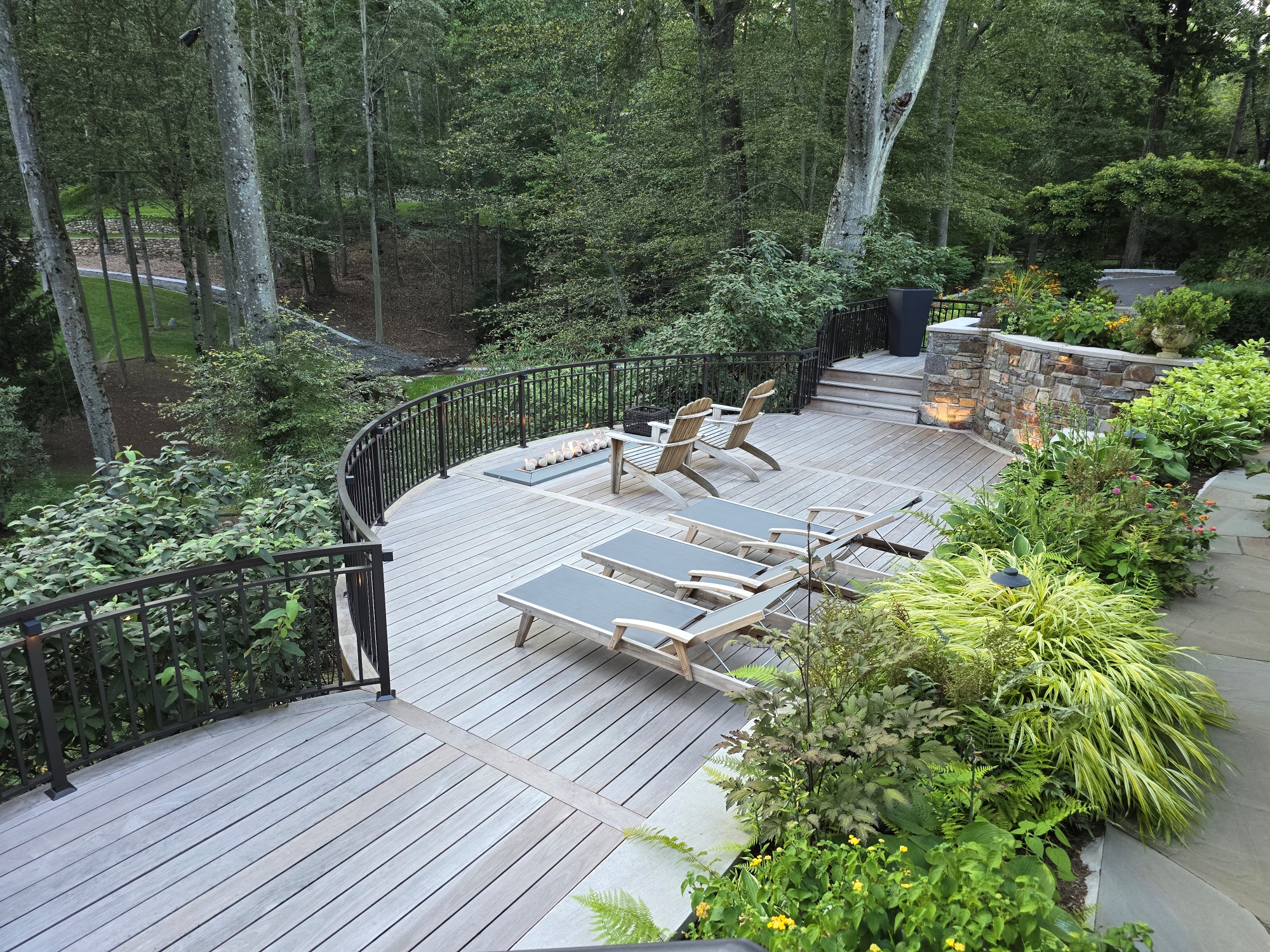
The reason biophilic design gets attention isn’t just because it looks good. It’s because of how it impacts the way people feel on a day-to-day basis.
Spending time around natural elements has been consistently linked to lower stress levels. Even small things like sunlight, fresh air, or views of greenery can help create a sense of calm that’s harder to get in more enclosed, indoor environments. Over time, that can make a noticeable difference in how someone unwinds after a long day.
There’s also a strong connection to mood. Being in nature, or even in spaces that reflect it, has been shown to help reduce feelings of anxiety and mental fatigue. It gives people a chance to mentally reset, especially in a way that doesn’t require a lot of effort or planning.
Focus and clarity tend to improve as well. Natural environments are less mentally demanding than indoor ones filled with screens and constant stimulation, which allows the brain to recover and recharge. That’s part of why even short periods of time outside can feel refreshing.
The key point is consistency. These benefits don’t come from a once-in-a-while experience. They come from having regular, easy access to spaces that support that connection to nature, even if it’s just for a few minutes at a time.
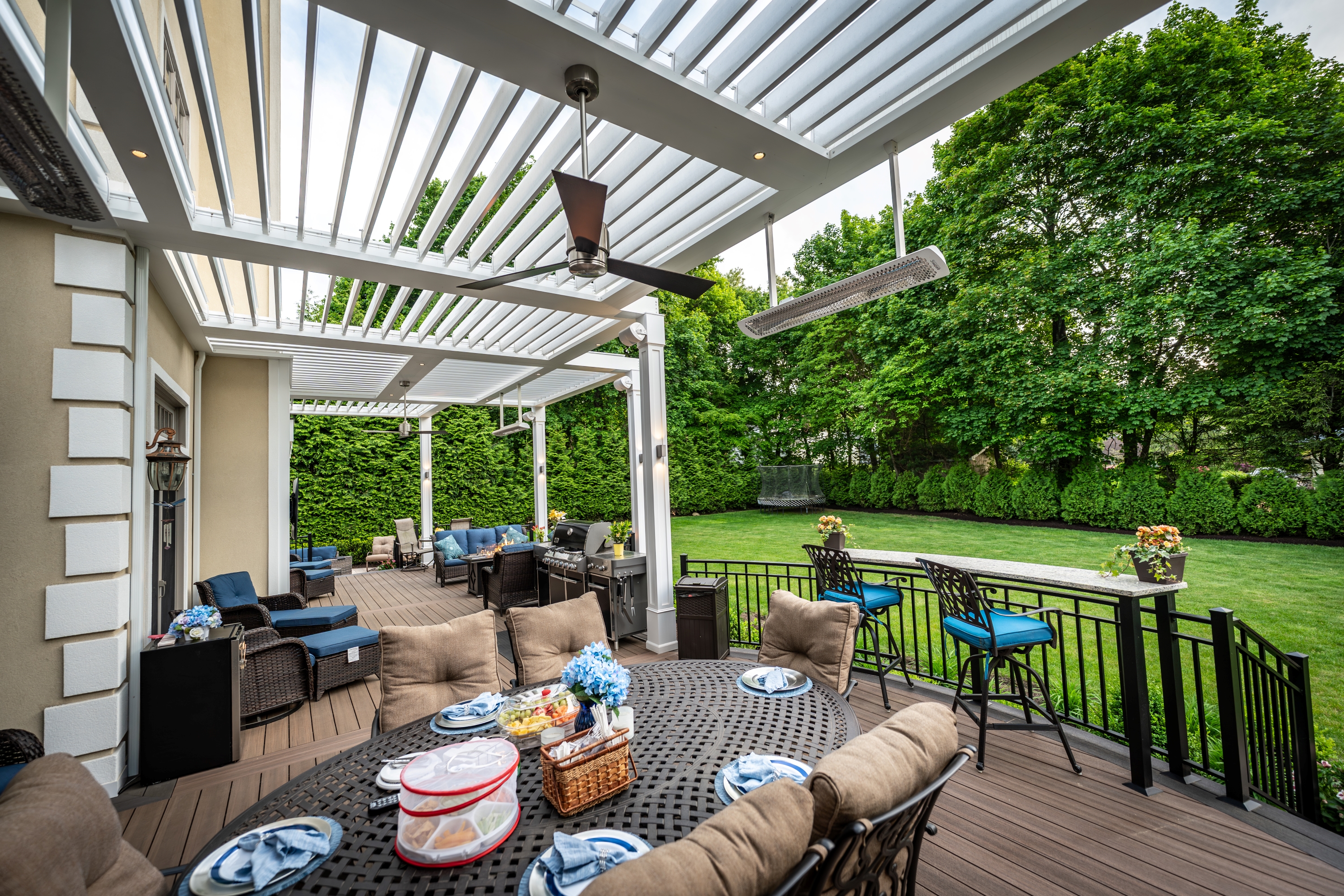
This is where the idea really starts to translate into something practical. It’s one thing to say that being outside is beneficial, but the way a space is designed plays a big role in whether people actually use it and how it feels when they do.
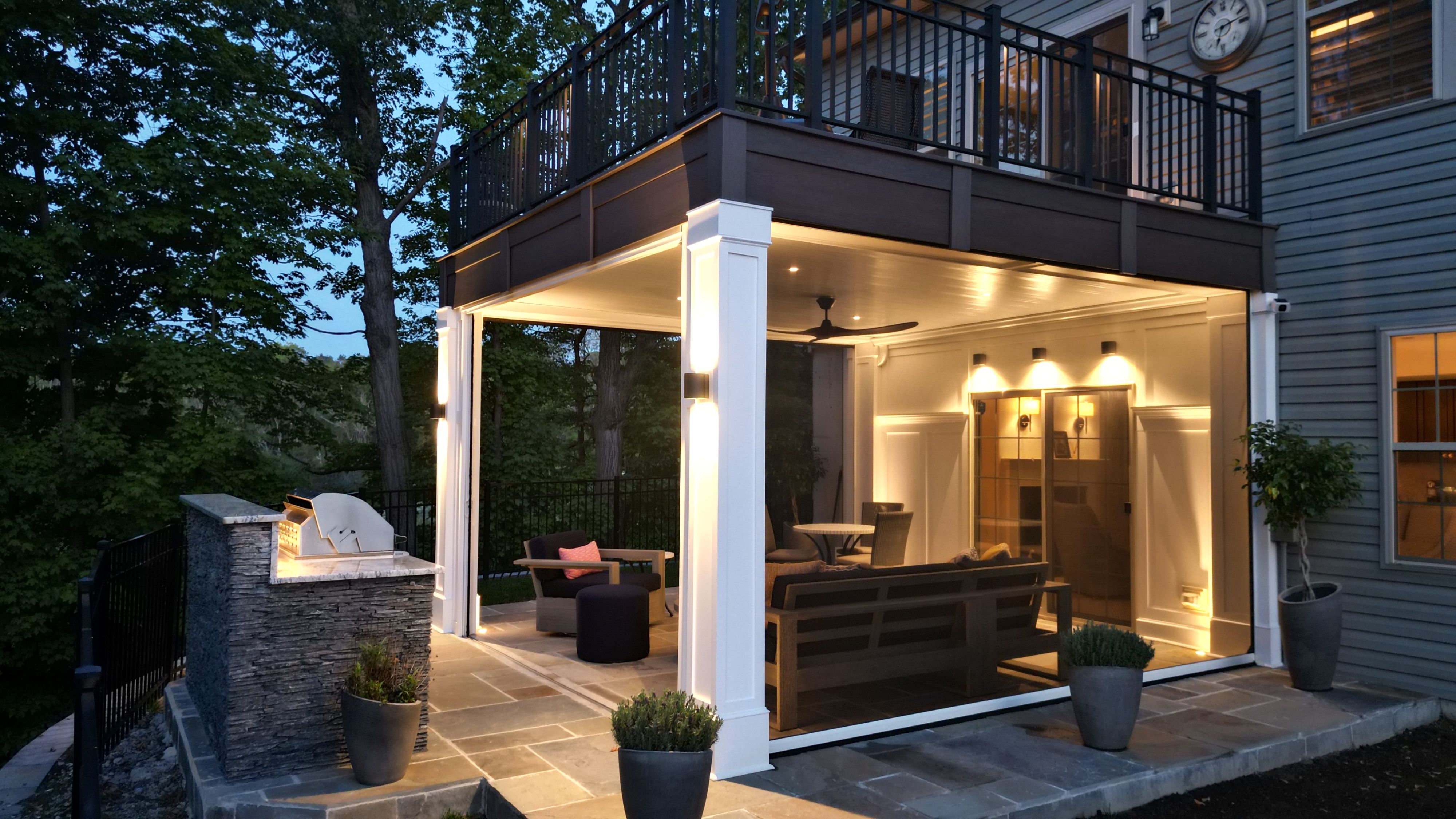
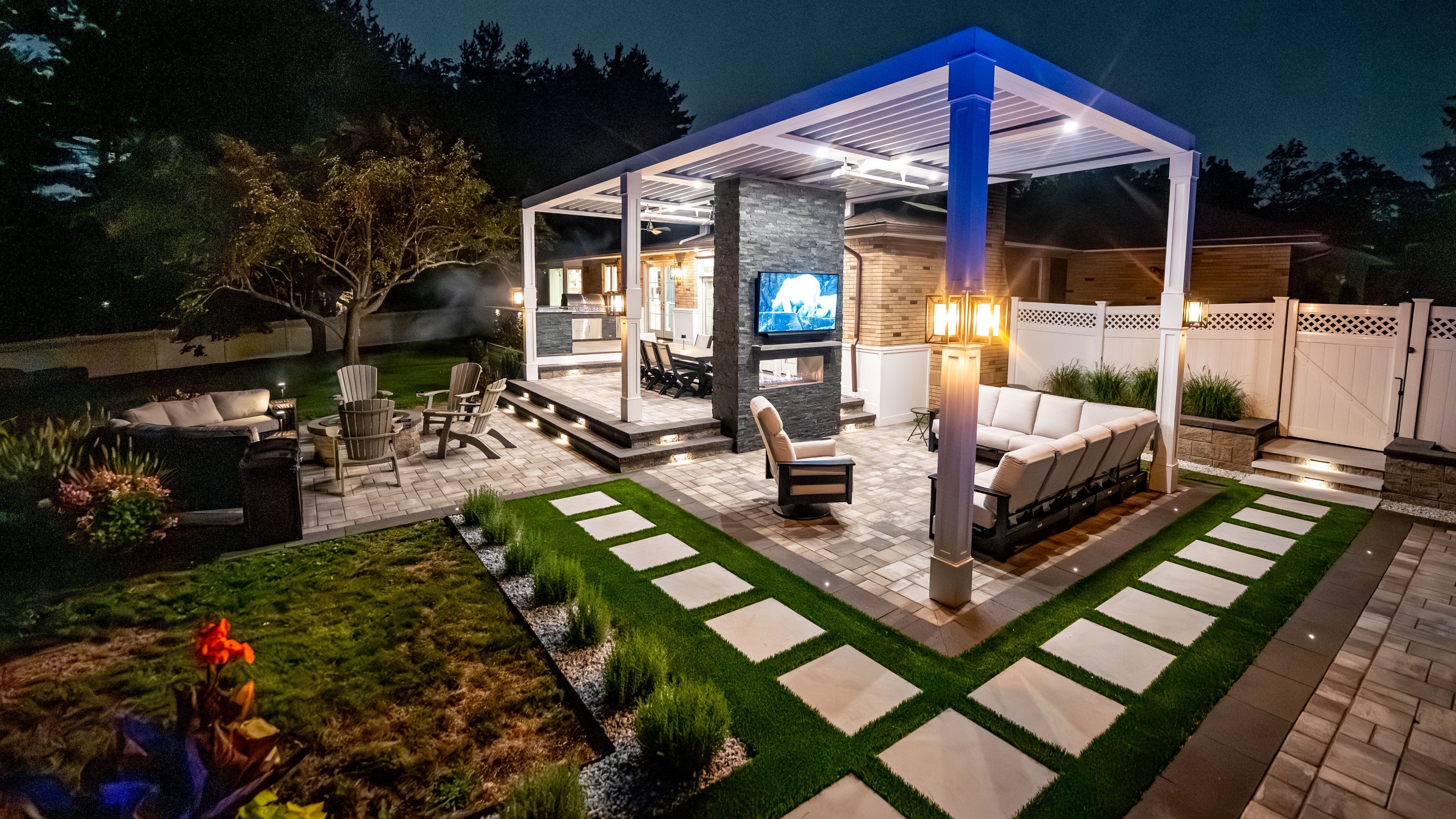
Layout is a big part of that. Decks that are broken into zones tend to feel more natural and comfortable than one large, open platform. An open area for dining or gathering paired with a more tucked-away lounge space creates that balance between openness and shelter that people tend to gravitate toward.
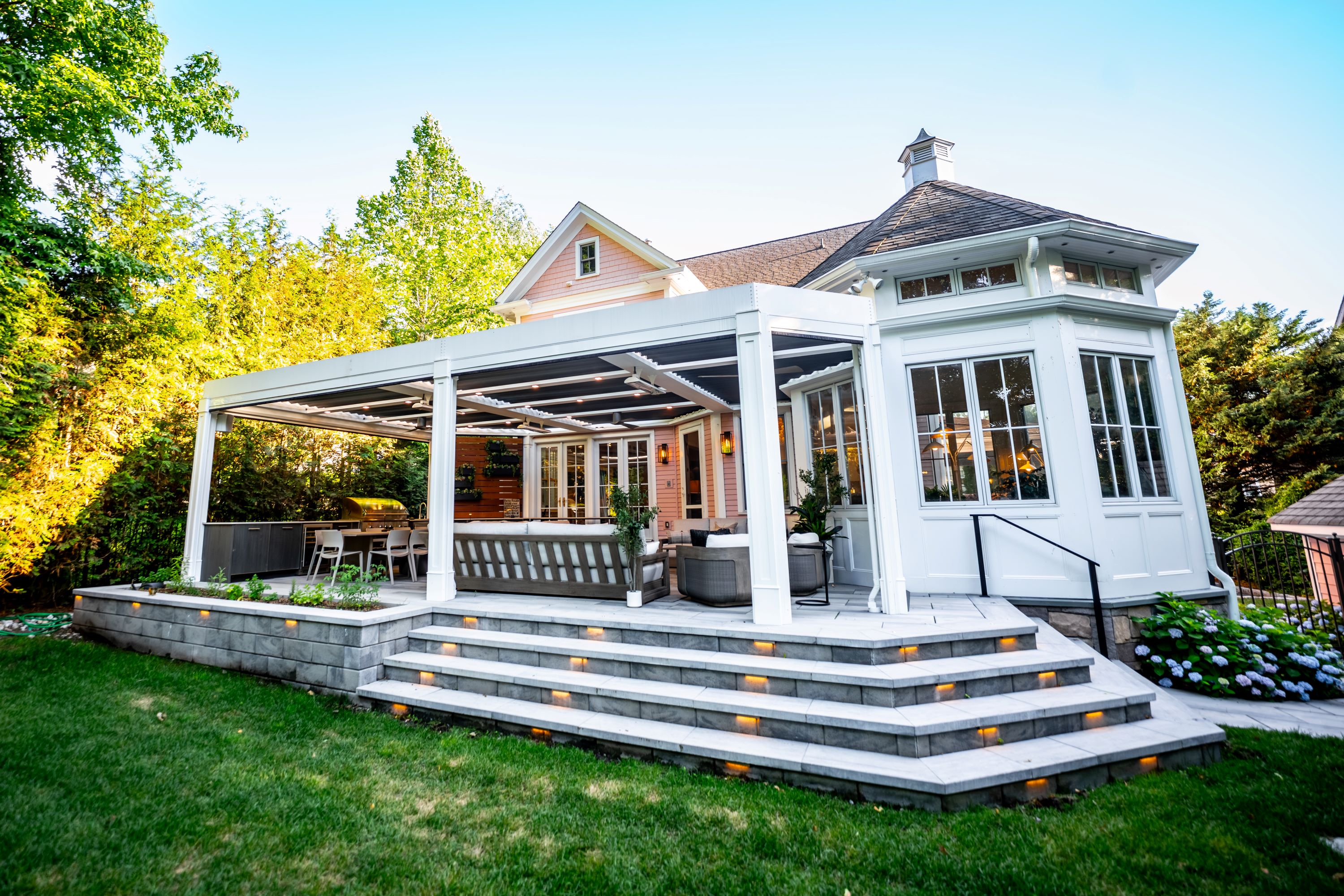
Light and exposure matter just as much. Too much direct sun can make a space uncomfortable, while too much shade can make it feel closed off. Features like pergolas or louvered roofs help control that balance, allowing the space to feel bright and open without being overwhelming.
Material choices also play a role in how the space is experienced. Warmer tones, subtle textures, and finishes that reflect natural materials help create a more grounded, inviting feel. Even when using low-maintenance products, keeping that natural look goes a long way in making the space feel less artificial.
Finally, how the deck connects to the surrounding landscape makes a difference. When it feels integrated with the yard instead of separated from it, the space naturally encourages people to spend more time outside. That connection is what turns a deck from a standalone feature into part of a larger outdoor environment people actually want to use.
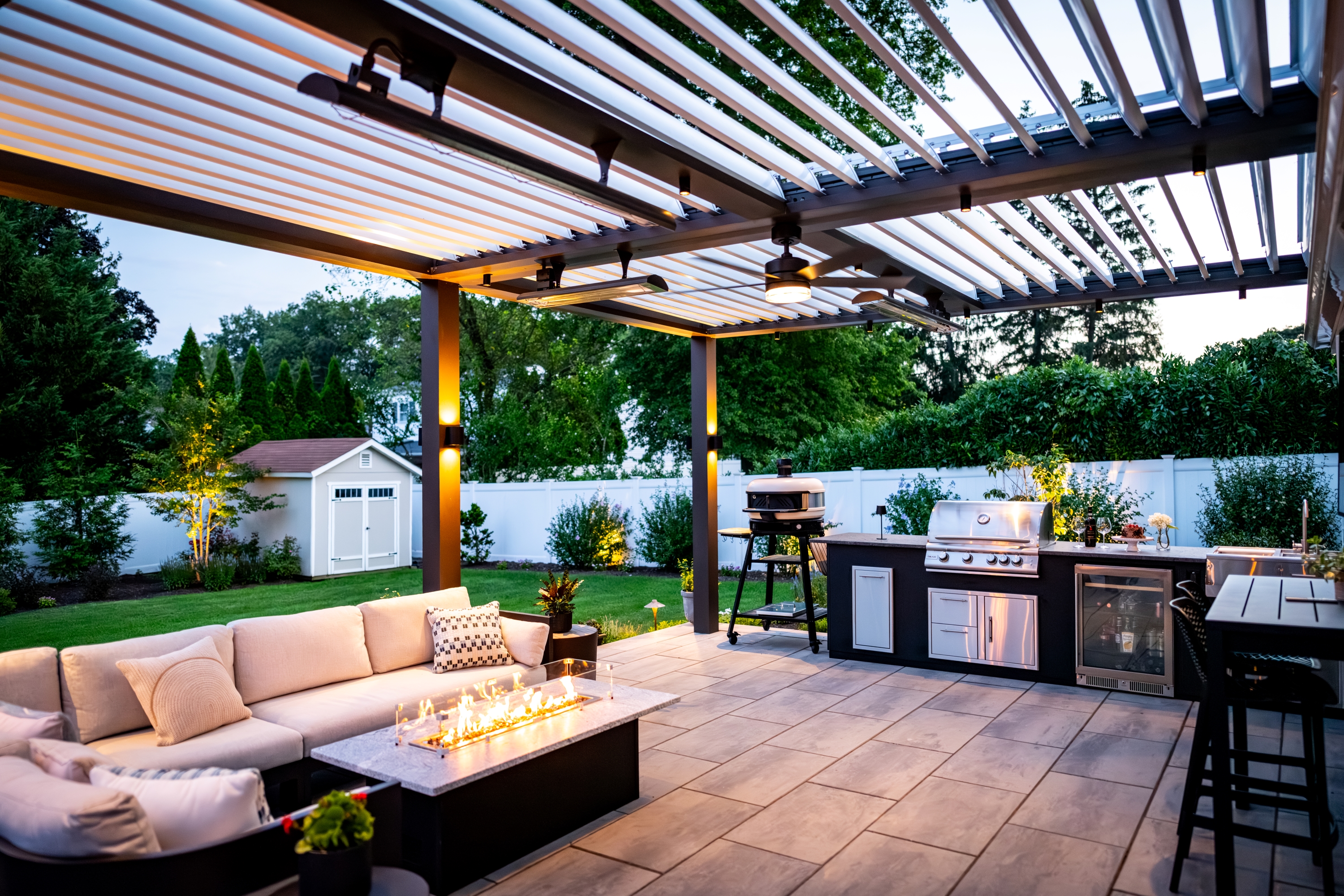
All of this only really matters if the space gets used. The biggest benefit of a well-designed outdoor area is that it makes spending time outside feel easy and natural, not something you have to plan around.
That usually shows up in small, everyday moments. Sitting outside with coffee in the morning, stepping out for a break during the day, or having a place to unwind in the evening. When a deck is comfortable, functional, and feels good to be in, those moments start to happen more often without much effort.
It also changes how people gather. Instead of defaulting to indoor spaces, the deck becomes a go-to spot for spending time with family or having people over. That added use is part of what reinforces the connection to the space and the benefits that come with it.
Over time, that consistency is what makes the difference. It’s not about one big experience outdoors. It’s about having a space that naturally fits into your routine and gives you more opportunities to step outside, reset, and enjoy it on a regular basis.
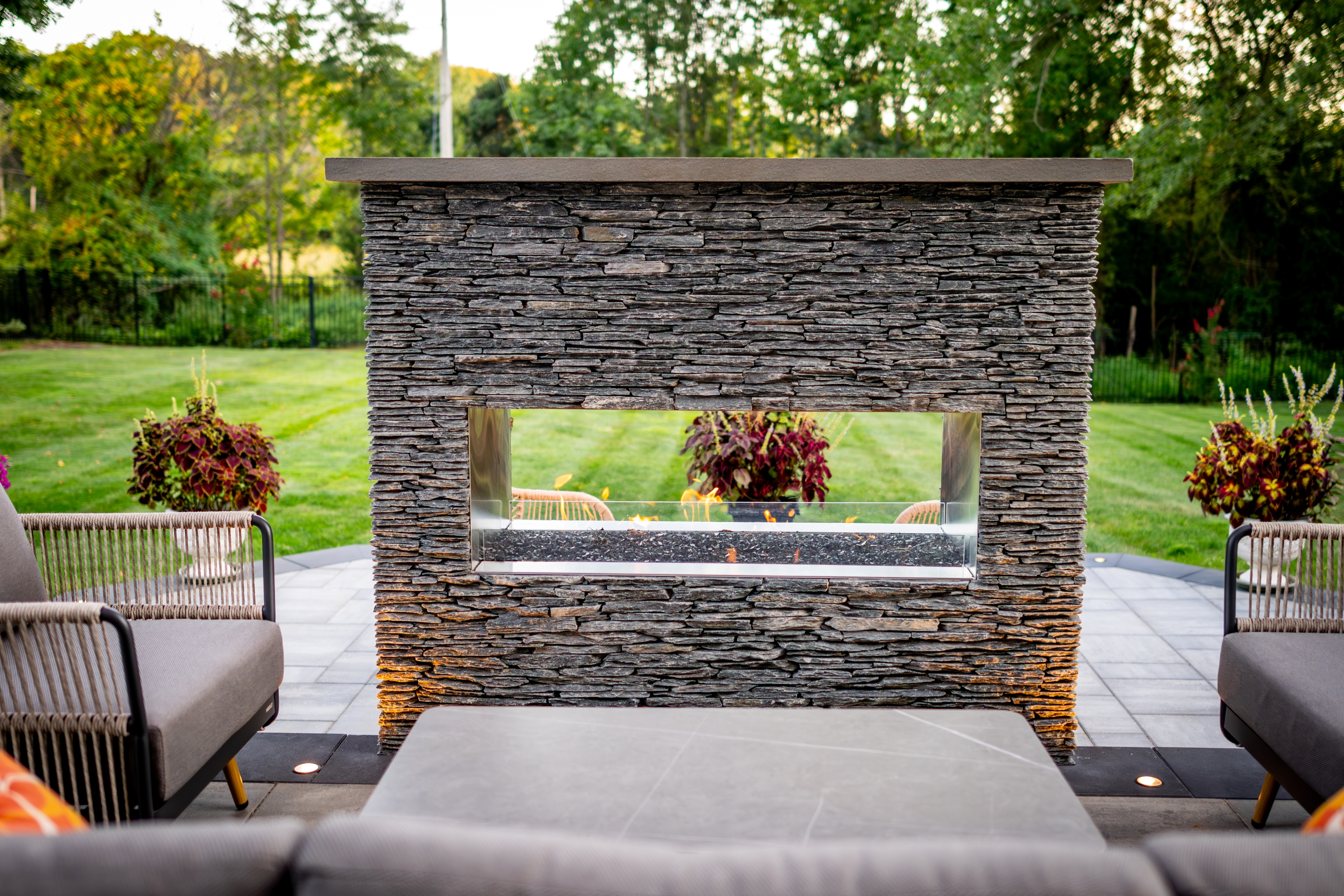
At the end of the day, biophilic design isn’t about following a trend or adding specific features for the sake of it. It’s about creating a space that feels better to spend time in. When an outdoor area is designed with that in mind, it naturally becomes part of your routine, not just something you use once in a while.
That’s where a well-designed deck can make a real difference. It creates a comfortable, accessible connection to the outdoors that supports how you relax, recharge, and spend time at home. Over time, those small, consistent moments outside are what add up.
If you’re thinking about upgrading your outdoor space, the goal shouldn’t just be to build something that looks good. It should be to create a space you’ll actually use and enjoy every day. At Deck Remodelers, we design and build decks with that in mind, focusing on layouts, materials, and details that make your space feel natural, functional, and built around how you live.