April 20, 2026
Over the past few years, sustainability has become a bigger part of the conversation around home improvement. Outdoor living spaces are no exception. Homeowners are starting to think more carefully about the materials they use, how their space is built, and what kind of long-term impact those decisions have.
At the same time, there’s often a disconnect between what “sustainable” sounds like and how it actually plays out in a real project. It’s easy to picture eco-friendly materials or specialty products, but in practice, the biggest factors tend to be much more straightforward. How long the space lasts, how much maintenance it requires, and whether it needs to be rebuilt in a few years all have a major impact.
That’s where a more practical approach comes in. Sustainable outdoor living isn’t just about checking a box with certain materials. It’s about making smarter decisions upfront so the space performs well, holds up over time, and doesn’t require constant upkeep or replacement.
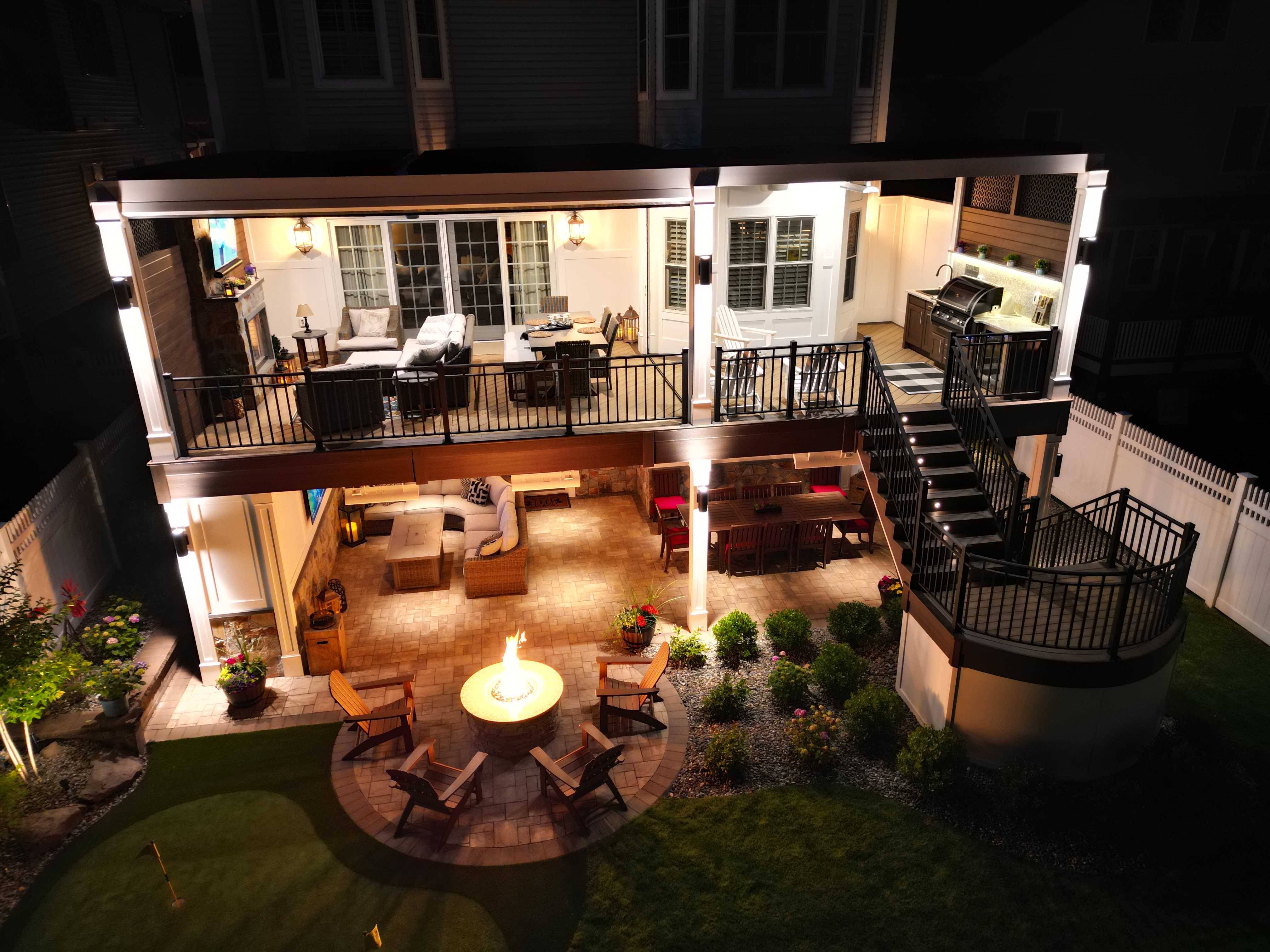
When people think about sustainability, the focus usually goes straight to materials. What something is made of, where it comes from, and whether it’s labeled as eco-friendly tend to dominate the conversation. But in outdoor living, one of the biggest factors is much simpler than that. The most sustainable space is one that doesn’t need to be rebuilt.
Longevity plays a huge role in overall impact. A deck or outdoor structure that lasts for decades without major repairs or replacement uses fewer resources over time than one that needs to be torn out and rebuilt every 10 to 15 years. The same idea applies to maintenance. The more upkeep a material requires, the more products, time, and effort go into keeping it in good condition year after year.
That’s why a build-it-once, build-it-right approach matters so much. Focusing on durability from the start reduces the need for future work, minimizes waste, and creates a space that continues to perform without constant intervention. It’s not always the flashiest part of the design process, but it’s one of the most important when it comes to long-term sustainability.
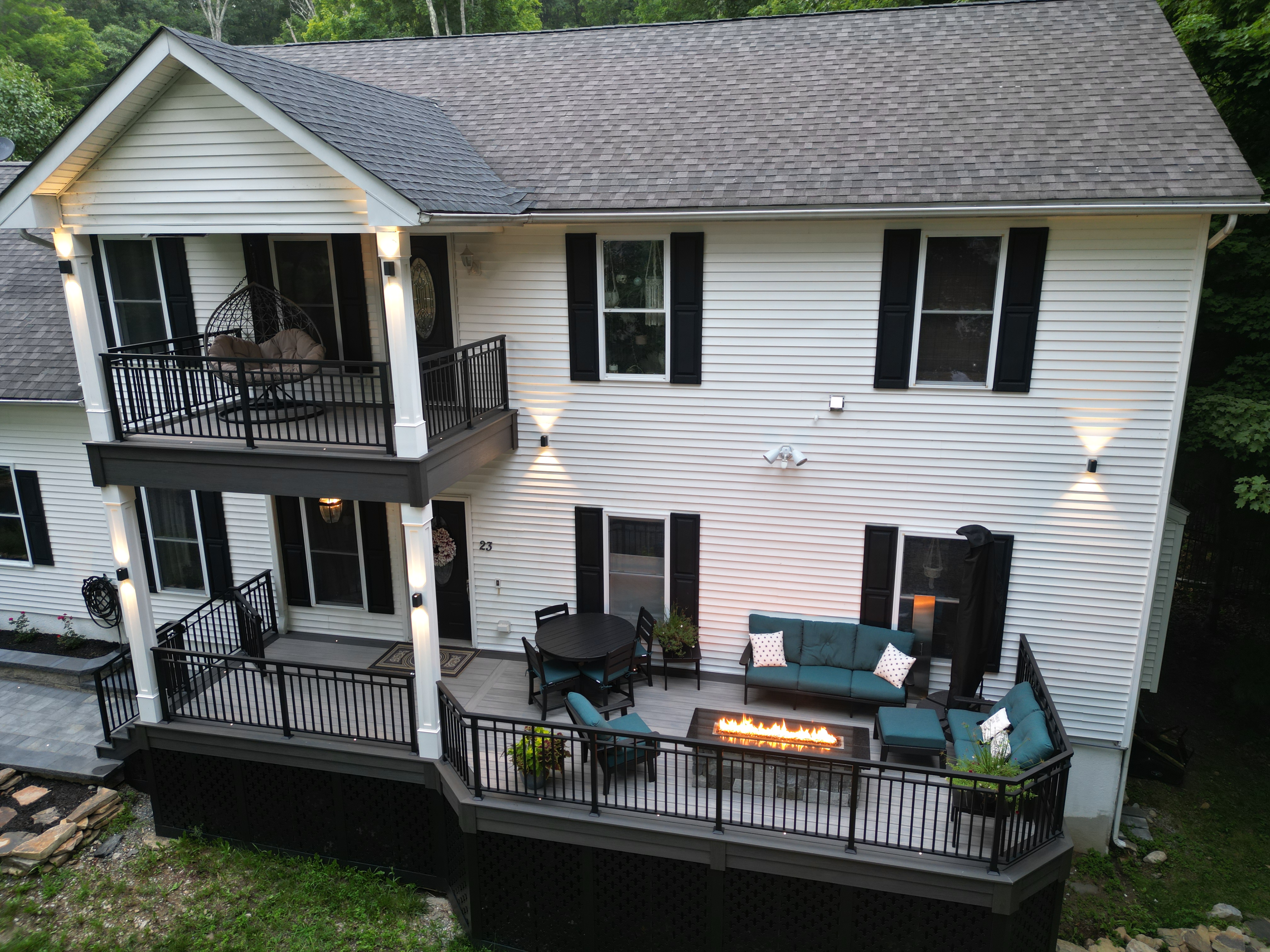
Once longevity is part of the conversation, the materials you choose start to matter in a more practical way. Not just in terms of how they look on day one, but how they hold up over years of use, weather, and exposure.
Hardwood decking like Ipe is a good example. It’s extremely dense, naturally resistant to the elements, and known for its long lifespan in outdoor environments. When it’s installed properly, it can last for decades without the kind of deterioration you see in lower-grade materials. That durability is where the sustainability angle comes in. It reduces the likelihood of early replacement and the waste that comes with it.
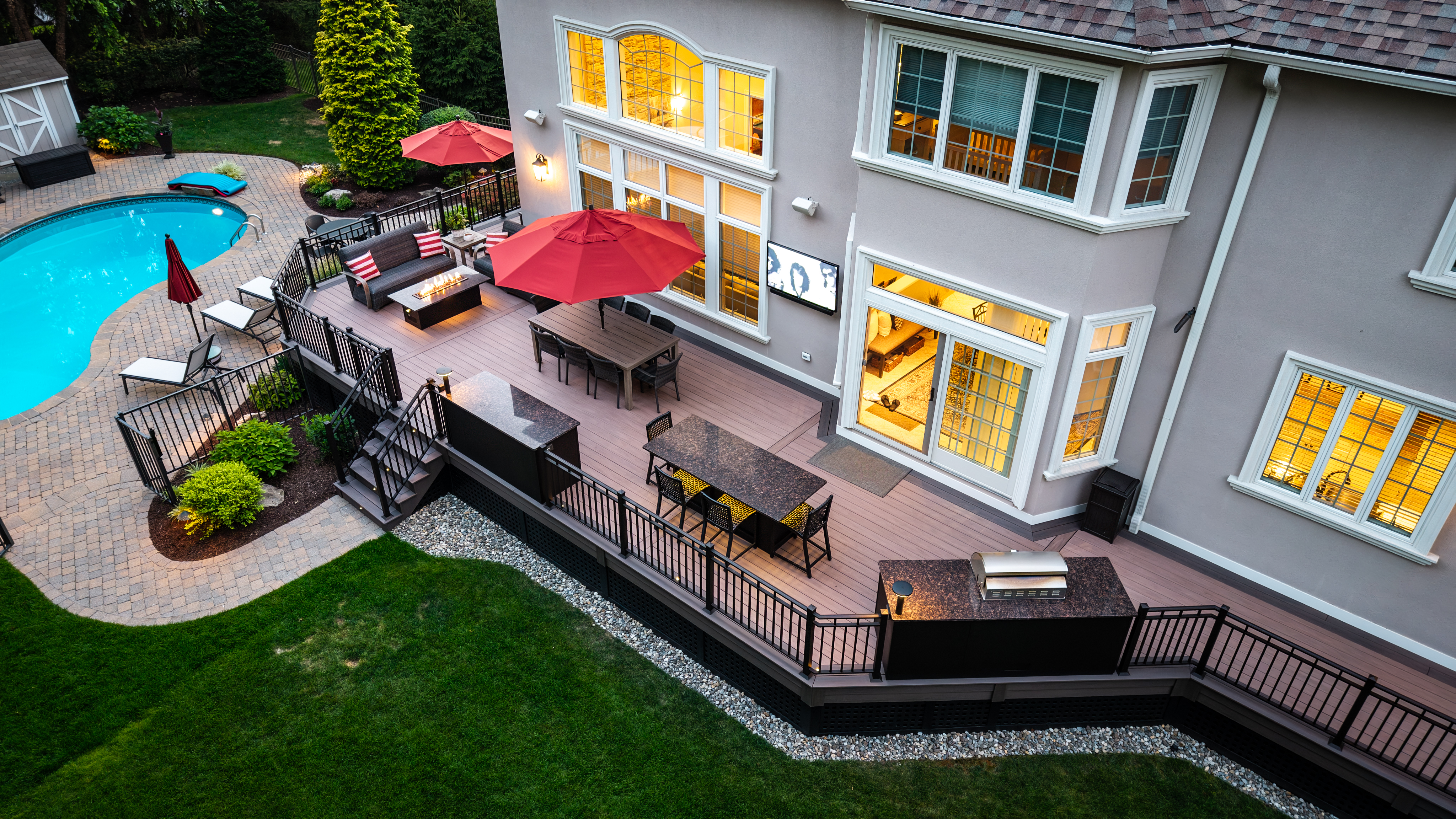
On the other hand, PVC decking offers a different kind of long-term benefit. It’s not typically chosen because it’s marketed as eco-friendly. It’s chosen because it’s low maintenance and consistent over time. There’s no need for sanding, staining, or sealing, and it doesn’t break down the same way wood can. That means fewer products used over the life of the deck and less ongoing intervention to keep it in good shape.
Structural decisions also play a role here. Options like steel framing can add another layer of longevity by improving stability and reducing the chance of structural issues down the line. It’s not the right fit for every project, but in the right situation, it can help extend the life of the build even further.
None of these choices are about chasing a label. They’re about selecting materials that perform well over time, so the space continues to function the way it should without needing to be replaced or constantly reworked.
Sustainability doesn’t just come from what you build with. It also comes from how the space functions day to day, and how much effort it takes to keep it that way.
Low-maintenance materials play a big role here. When a deck doesn’t need to be sanded, stained, or sealed every couple of years, that eliminates a steady cycle of products, labor, and upkeep. Over time, that adds up. Fewer materials are used, less time is spent maintaining the space, and there’s less wear and tear from repeated intervention.
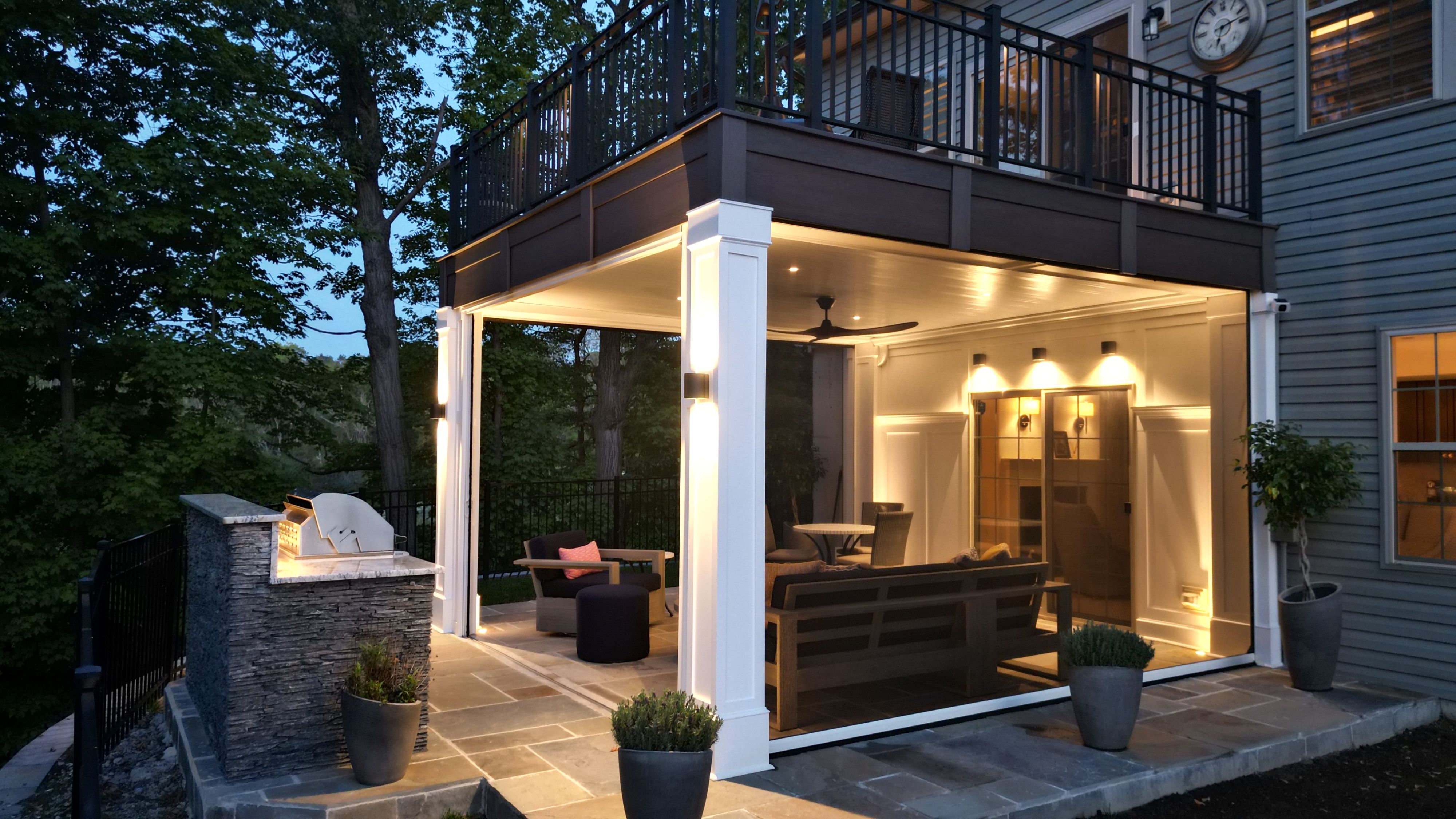
Beyond materials, certain design choices can also support a more efficient outdoor environment. Lighting is a good example. Systems like in-lite use low-voltage setups, which are more energy-efficient than traditional lighting. They can also be paired with controls that help ensure the system is only in use when needed, reducing unnecessary energy use over time.
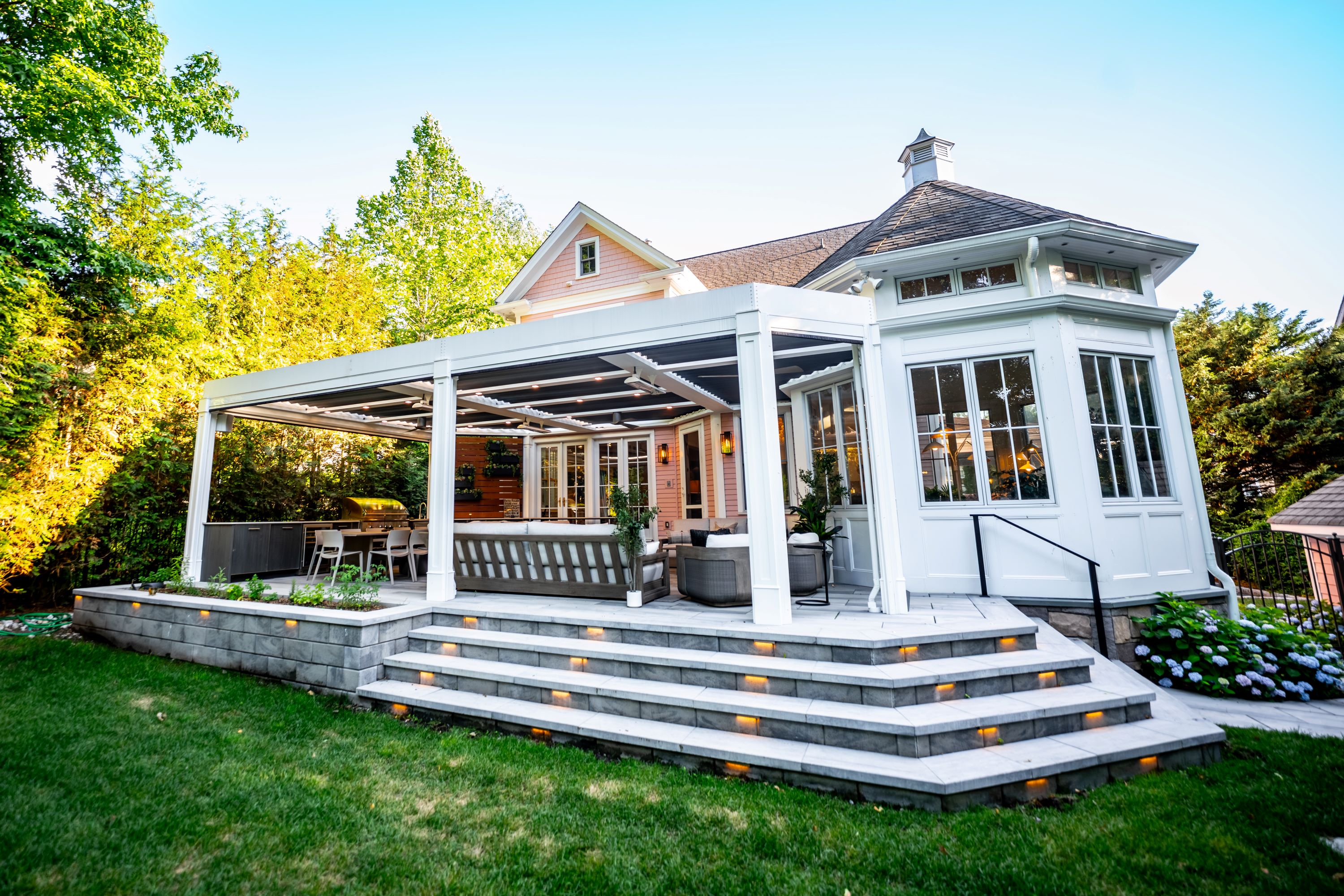
Shade and climate control features add another layer. Louvered roofs and high-opacity motorized screens help manage sun exposure and heat, making the space more comfortable throughout the day. That kind of control allows homeowners to spend more time outside without needing to expand conditioned indoor space, which is another subtle way design can influence overall impact.
When these elements are considered together, the result is a space that not only lasts longer, but also operates more efficiently over time.
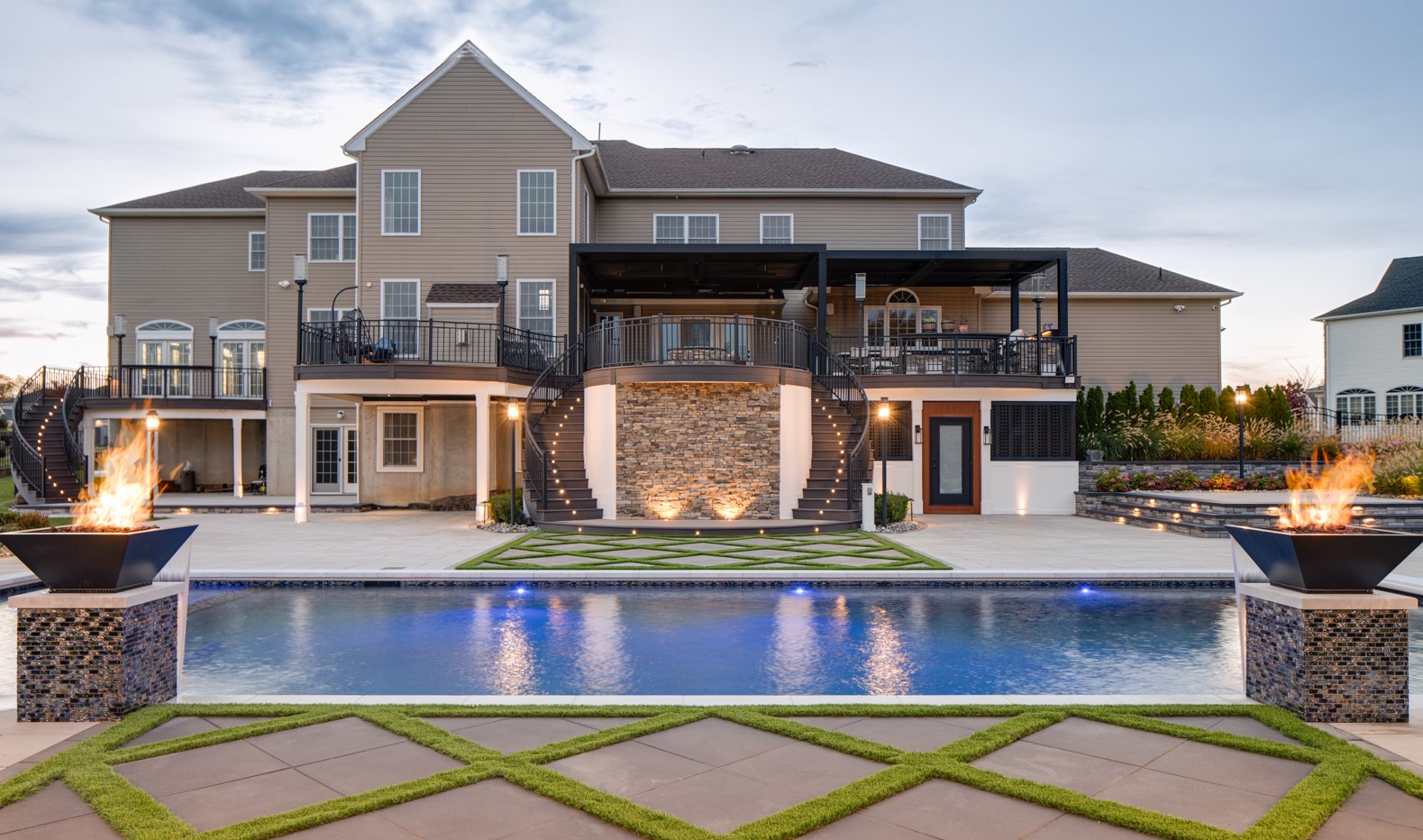
For most homeowners, sustainability isn’t the first thing they bring up when planning an outdoor project. The conversation usually starts somewhere else. They want something that lasts, something that doesn’t turn into a maintenance project every season, and something that feels like a worthwhile long-term investment.
That mindset naturally leads to better outcomes from a sustainability standpoint, even if that’s not the original goal. Choosing durable materials, minimizing upkeep, and designing a space that works the first time around all reduce the need for future repairs, replacements, and added resources. It’s a more practical way of getting to the same place.
There are also smaller pieces that contribute along the way. Recycling job site materials when possible and planning builds efficiently can help cut down on unnecessary waste during construction. These aren’t always the headline features of a project, but they’re part of a more thoughtful overall process.
In the end, sustainability tends to show up through a series of smart decisions rather than a single defining choice. When a space is designed to last, easy to maintain, and built with intention, it naturally becomes a more responsible long-term investment.
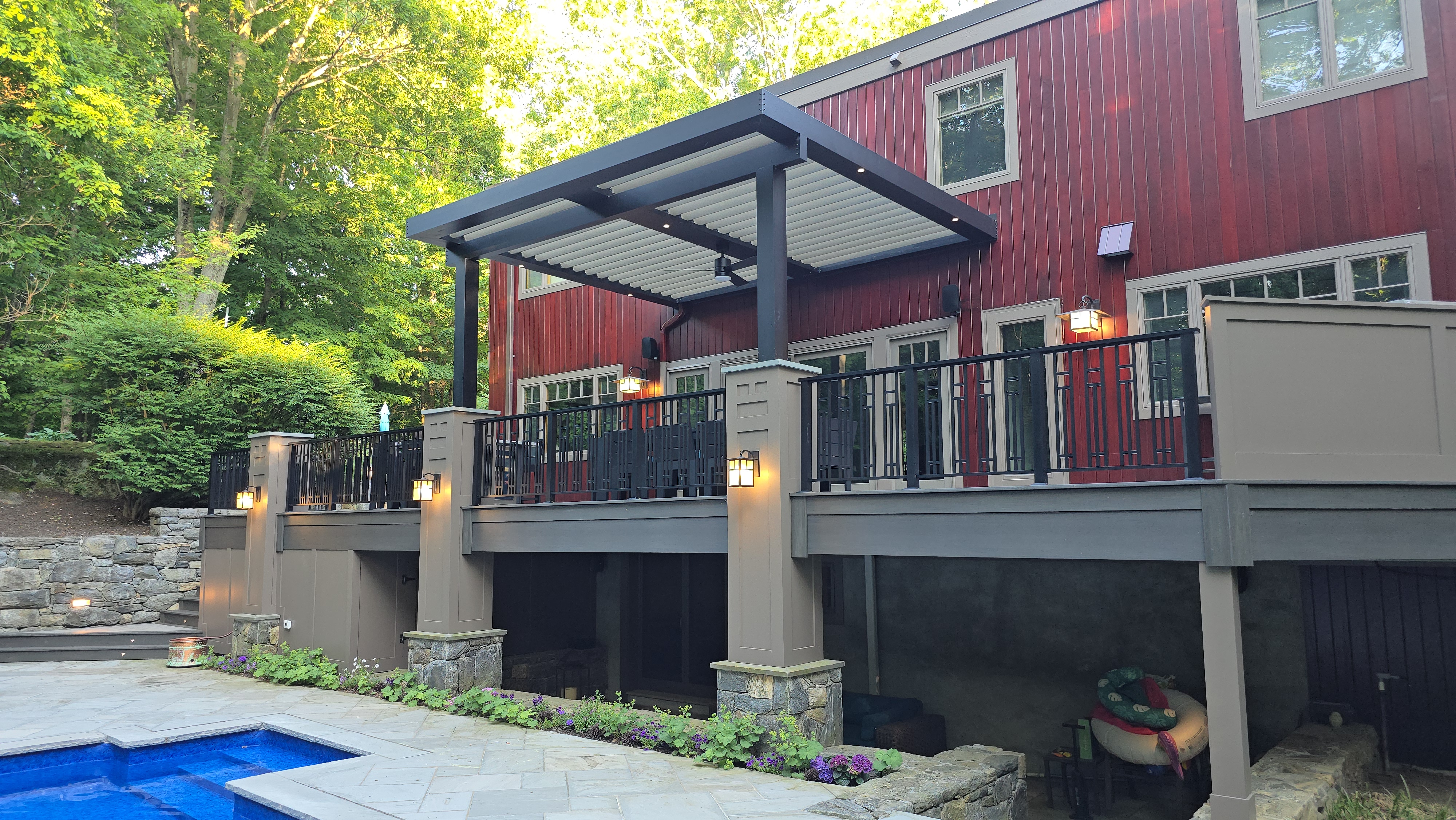
Sustainability in outdoor living isn’t tied to any one material or feature. It comes from how the entire space is approached, from the way it’s designed to the way it holds up over time.
Focusing on durability, reducing maintenance, and making thoughtful design decisions from the start all contribute to a space that performs better in the long run. It avoids unnecessary rebuilds, limits ongoing upkeep, and continues to function the way it was intended without constant intervention.
That’s ultimately what a more sustainable outdoor space looks like in practice. Not something built around a label, but something built to last, designed with purpose, and able to support how you want to use it for years to come.
If you’re thinking about upgrading your outdoor space, the best place to start isn’t with trends or materials alone. It’s with a plan that’s built around how you want to use the space and how long you want it to last.
At Deck Remodelers, we take a thoughtful, design-first approach to every project, helping you choose the right materials and layout so your space performs well for years, not just the first season. From concept through construction, our team handles every step to make the process clear, efficient, and tailored to your home.
Start the conversation today and see what a well-designed outdoor space can look like when it’s built for the long term.