March 30, 2026
When homeowners reach out to start planning a new deck, the conversation has shifted in a noticeable way. It’s less about simply adding space outside, and more about how that space will actually be used day to day. Cooking full meals, staying outside later into the evening, and having the flexibility to adjust the space based on weather or comfort all come up early in the process.
Over the past few years, certain features have started to come up consistently in our design consultations. They aren’t just popular for the sake of being new. They solve real problems and make outdoor spaces easier to use, more comfortable, and more aligned with how people want to live at home.
Here are the outdoor features we’re seeing requested most often right now, and how they’re shaping the way outdoor spaces are being designed in 2026.
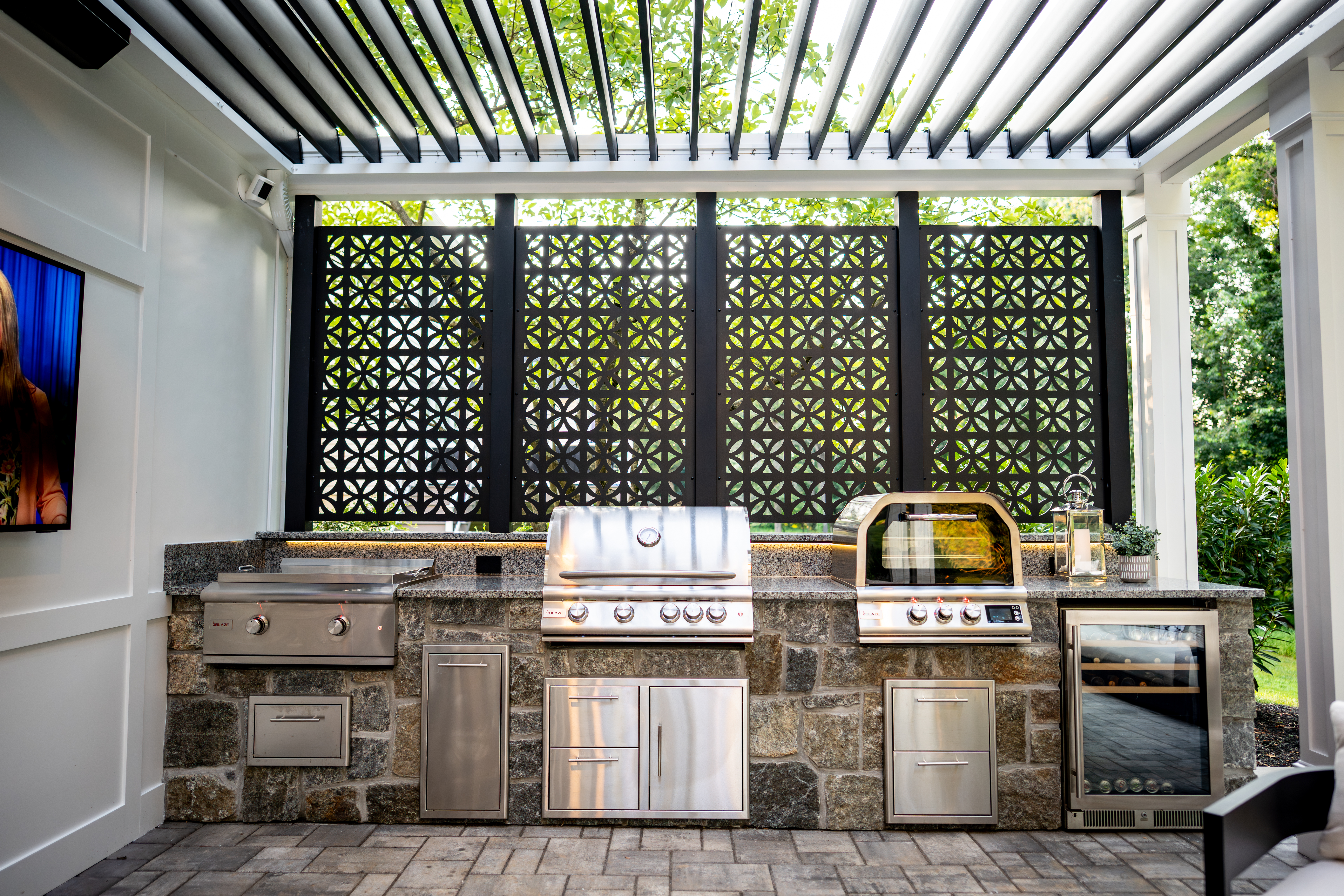
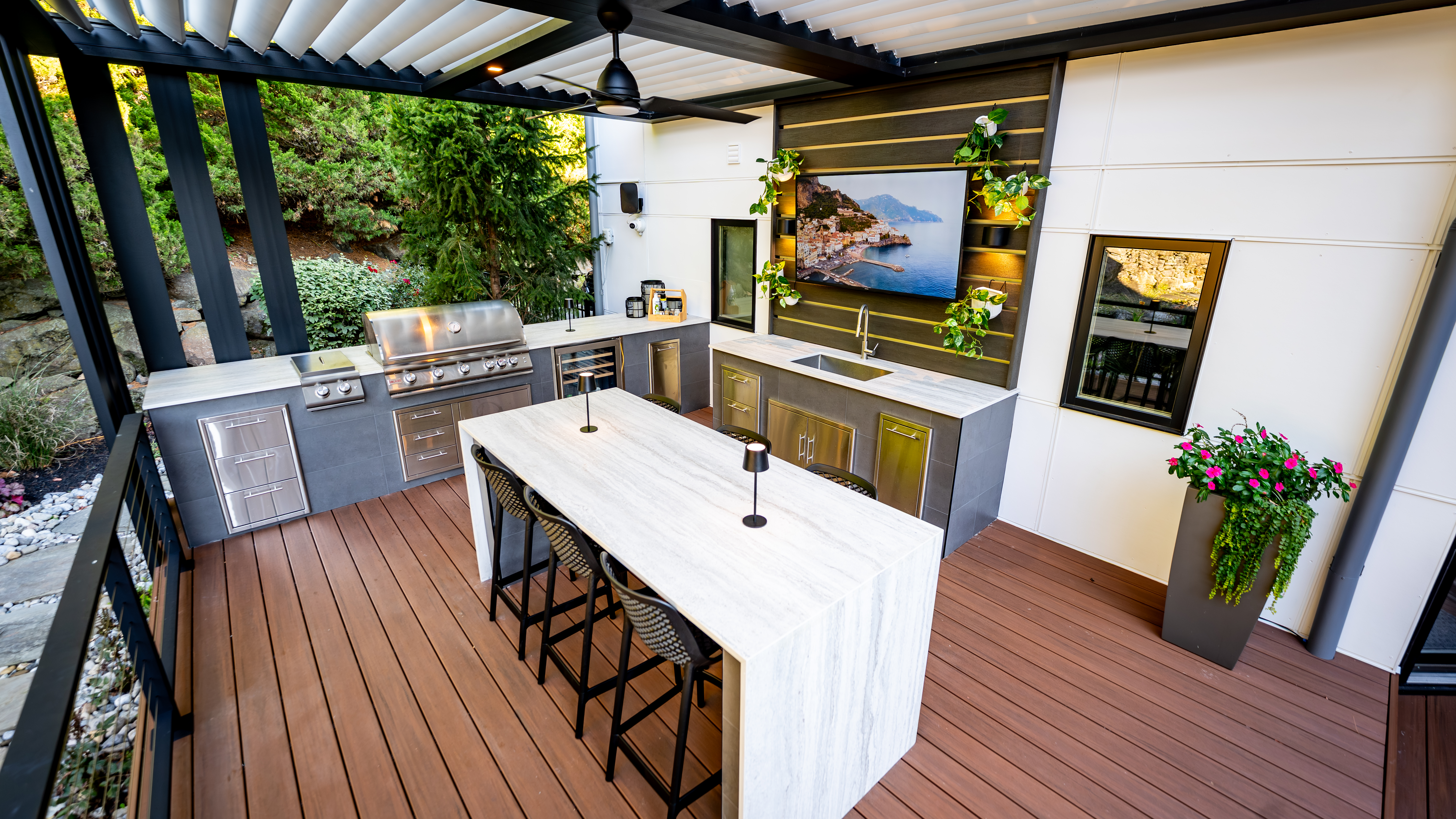
Outdoor kitchens have been popular for years, but what homeowners are asking for now goes well beyond a grill and a bit of counter space. More and more, the goal is to create a space where you can prepare and cook an entire meal without having to go back inside.
We’re seeing this show up in both size and functionality. Roughly 40% of the projects we’re designing now include an outdoor kitchen, and a growing portion of those go far beyond the basics. Pizza ovens, built-in refrigeration, sinks, and even dishwashers are starting to become part of the conversation. These aren’t just add-ons, they’re shaping how the entire space is laid out.
One of the biggest shifts is how kitchens are being designed as social spaces. Islands, in particular, have become a central feature. Just a couple of years ago, about half of outdoor kitchens included an island. Now, it’s closer to 70%. That change reflects how people actually use these spaces. Cooking is no longer separate from the rest of the experience. It’s part of how people gather, talk, and spend time together.
We’re also starting to see more projects incorporate fire features alongside kitchen areas. That wasn’t something homeowners were prioritizing even a year or two ago, but now it’s becoming a natural extension of the space, especially for evenings when the focus shifts from cooking to relaxing.
All of this points to the same idea. Outdoor kitchens are no longer a secondary feature. In many cases, they’ve become the anchor of the entire design, influencing how everything else around them comes together.
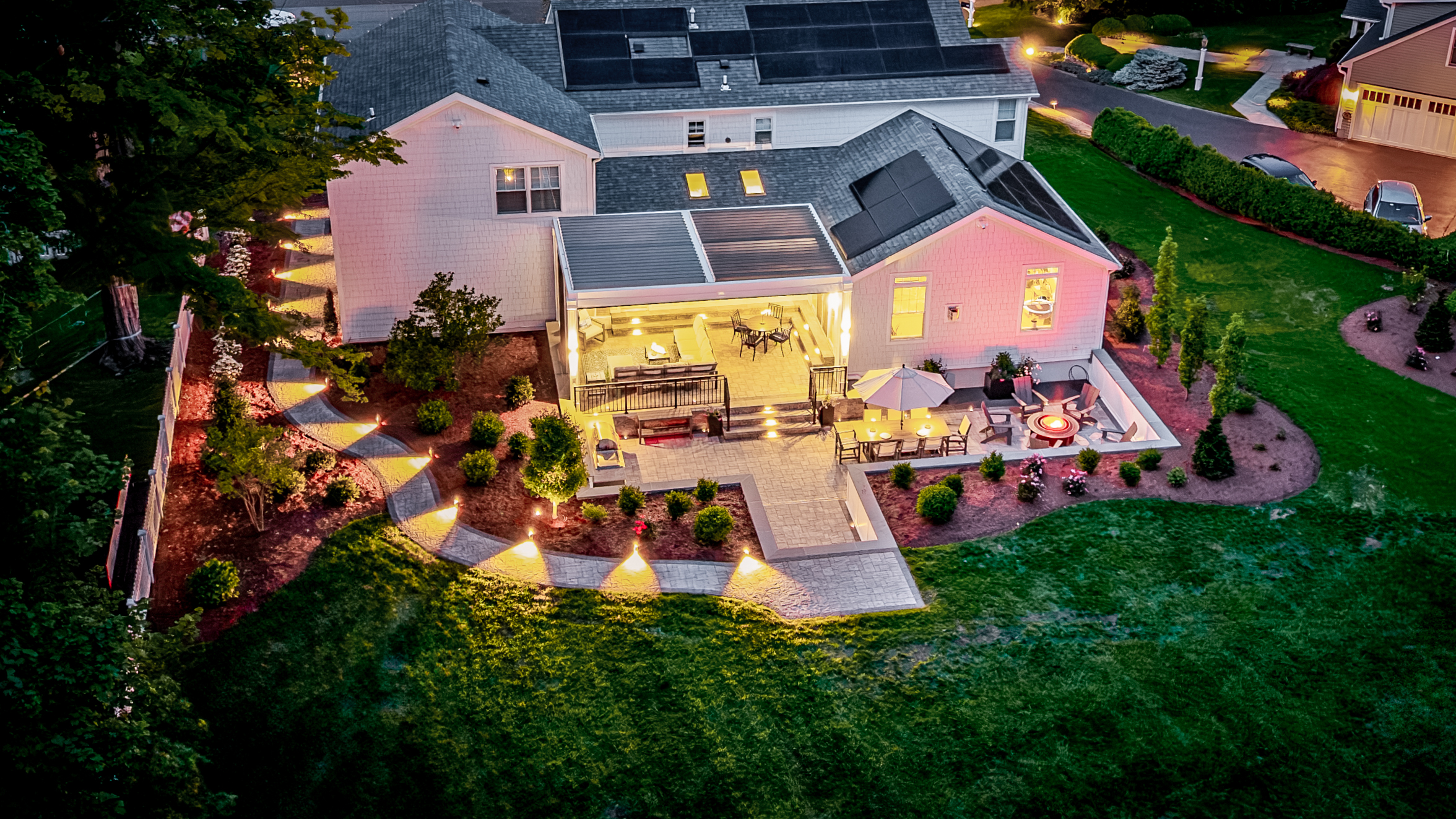
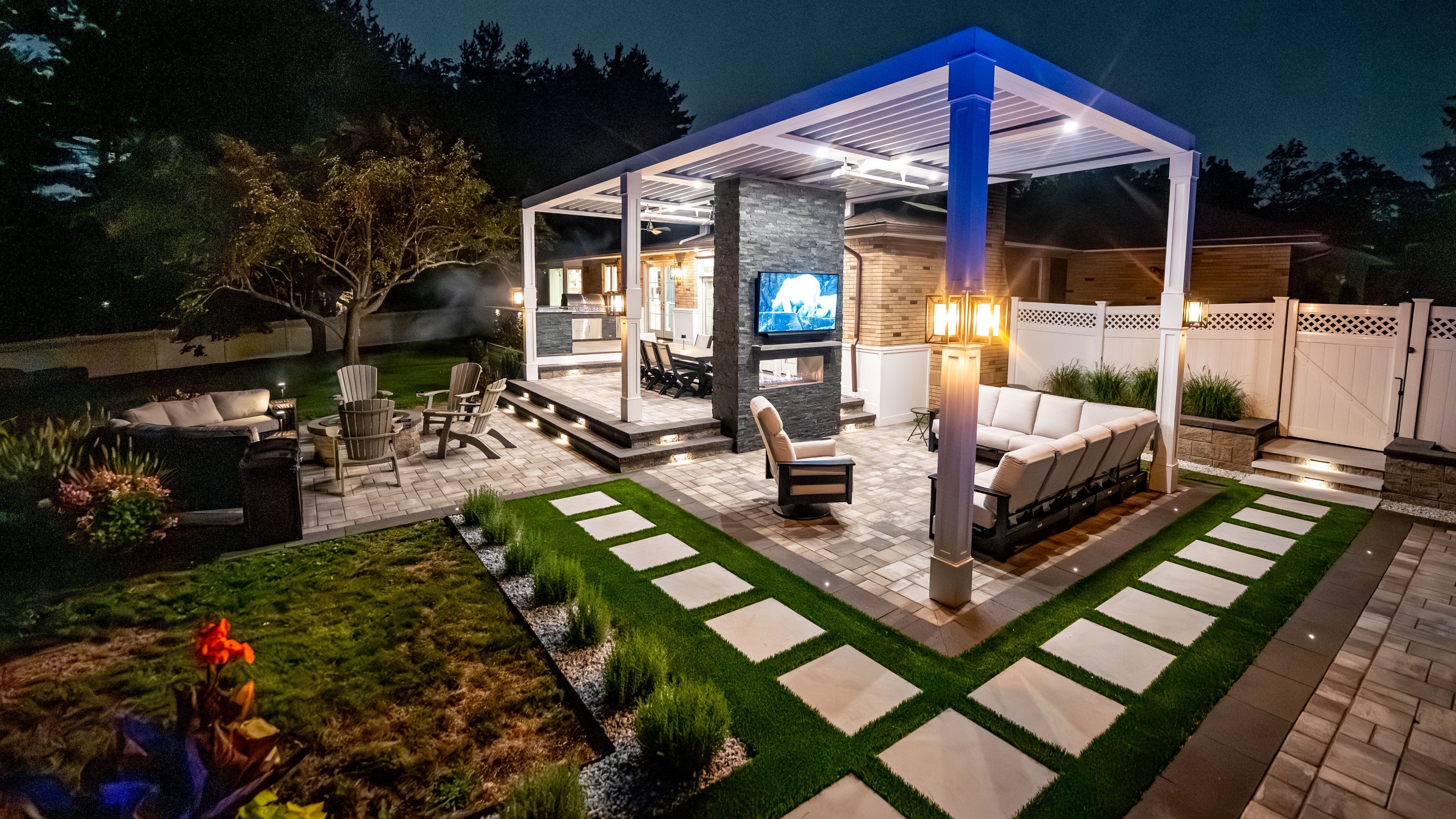
Lighting used to be something homeowners thought about toward the end of a project. Now it’s coming up much earlier, and it’s playing a bigger role in how the entire space is planned.
A big part of that shift is how people want to use their outdoor space after the sun goes down. It’s no longer enough to have a few lights on the deck for visibility. Homeowners want a space that feels just as inviting at night as it does during the day.
What’s really changed is the move beyond just lighting the deck itself. In 2024, none of our projects included true landscape lighting. By 2025, it started to show up in a small percentage of designs. Now in 2026, it’s part of roughly 25% of the projects we’re working on.
That includes things like softly lighting walkways, highlighting trees or architectural elements, and creating layers of light that add depth to the space. It creates a completely different experience once the sun goes down.
When lighting is planned from the beginning, it feels integrated into the design instead of something added later. And it turns the space into something that can be used and enjoyed well into the evening, without feeling like an afterthought.
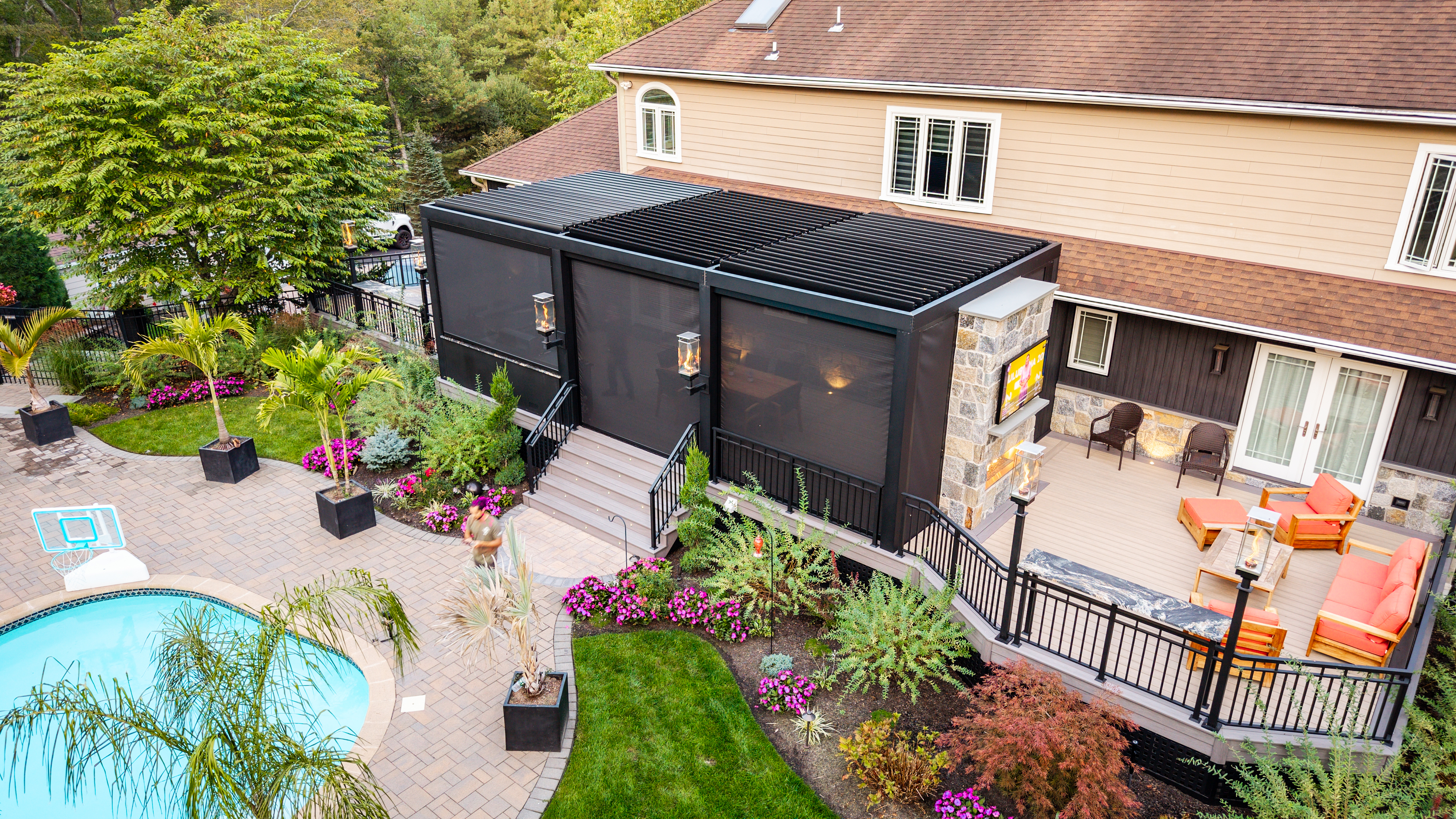
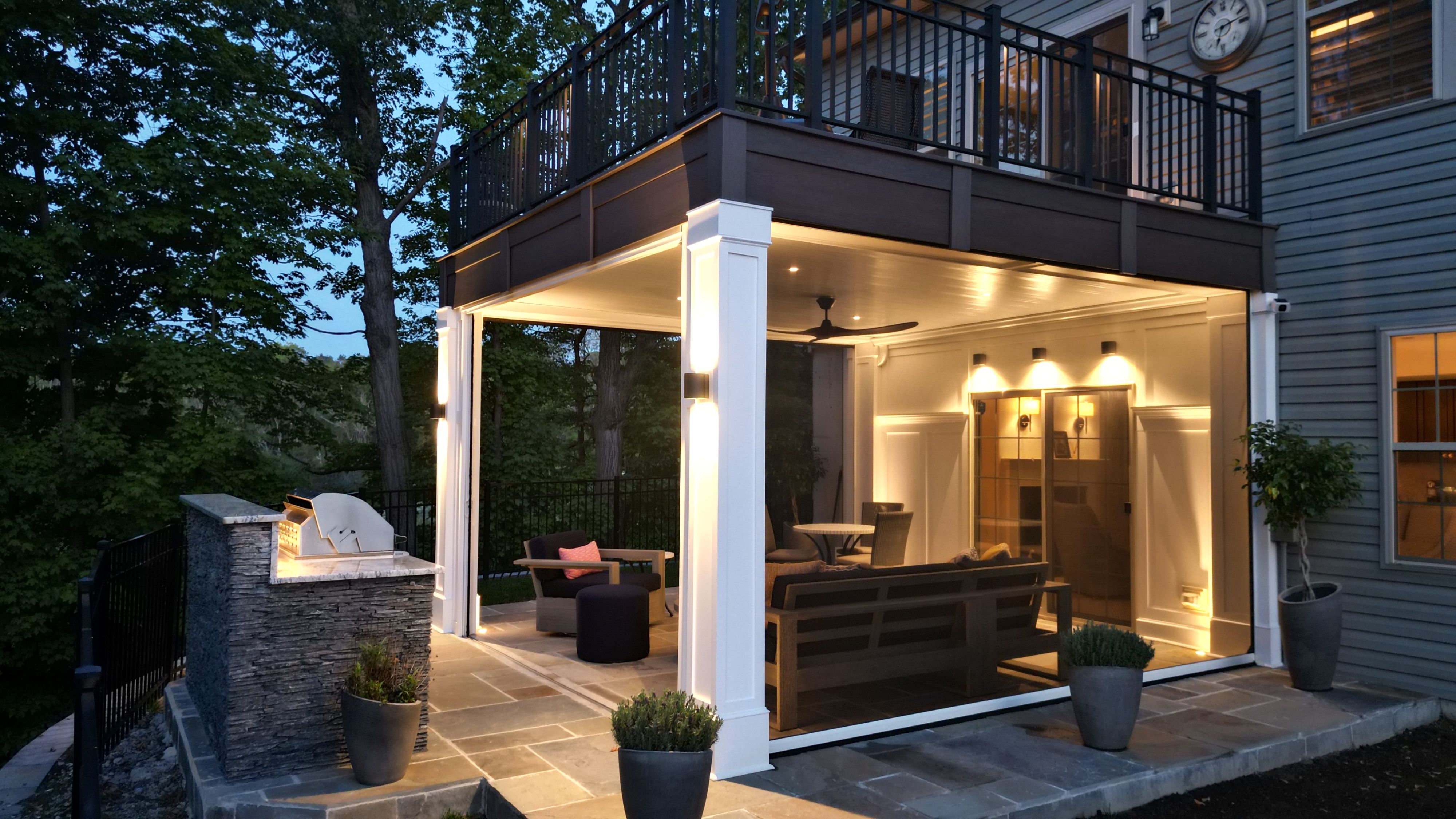
Motorized screens are coming up in more and more design conversations, especially as homeowners look for ways to make their outdoor space usable in a wider range of conditions.
A few years ago, screens were something only some homeowners considered. In 2024, they showed up in around 40% of our projects. By 2025, that jumped to about 60%. Now in 2026, it’s closer to 70%, which makes them one of the most consistently requested features we’re seeing.
What’s also changing is how those screens are being used. Earlier on, most homeowners were opting for more open mesh screens, mainly for bug control. Now, we’re seeing a steady shift toward higher-opacity screens that block a significant amount of sunlight and create a more shaded, private feel.
In 2024, only about 10% of screen installations used those tighter-weave options. By 2025, that number grew to around 30%. In 2026, it’s closer to 50%.
The appeal comes down to control. On a nice day, the space can stay open and connected to the outdoors. When bugs, glare, or heat become a factor, the screens can come down and create a more comfortable environment.
Paired with a covered structure, this starts to change how the space functions entirely. It feels less like a deck you step out onto and more like a space that can adapt throughout the day depending on how it’s being used.
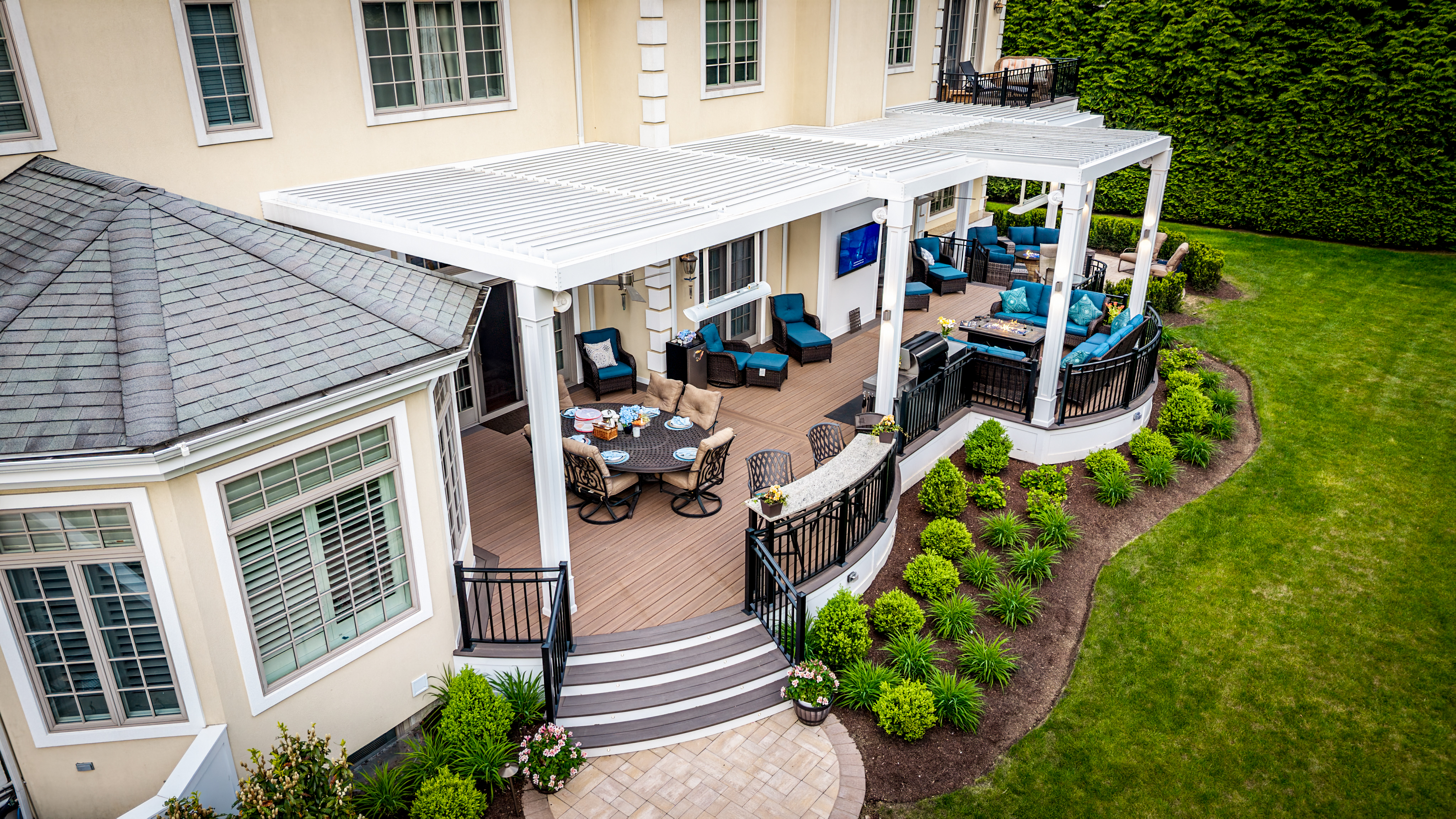
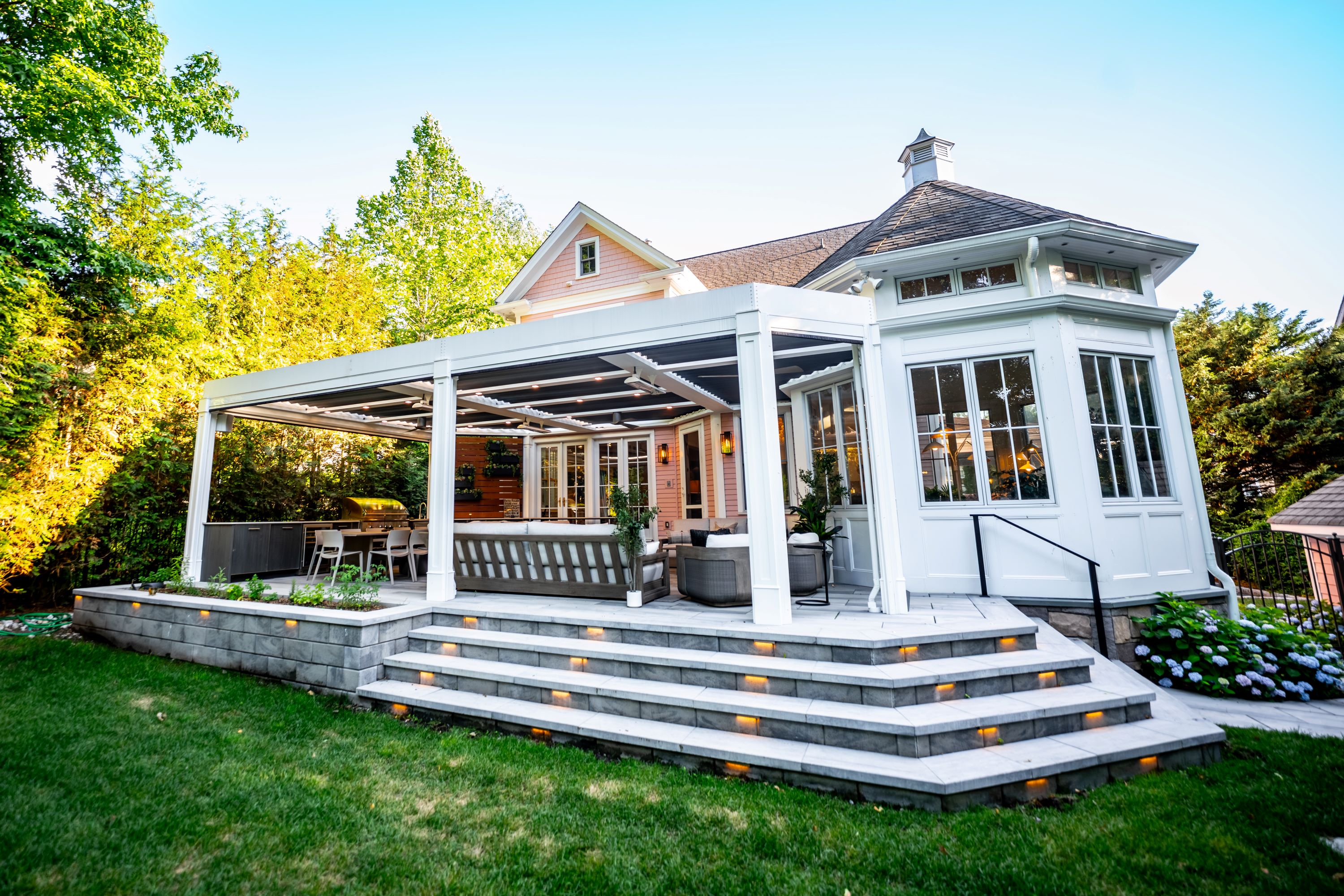
Alongside screens, louvered roof systems are becoming one of the most requested features for the same reason: control.
Coverage itself has become almost expected at this point. In 2024, about 70% of our projects included some form of cover. That grew to around 75% in 2025, and in 2026, it’s closer to 90%. Homeowners don’t want to be limited by weather, and a covered space makes the deck usable far more often.
What’s really shifted is the type of coverage people are choosing. A few years ago, most covered structures were traditional roof extensions. In 2024, those made up the majority, with only a small percentage of projects using louvered systems. By 2025, that started to change in a noticeable way. Now in 2026, louvered roofs make up roughly 70% of the covered structures we’re building.
That shift comes down to flexibility. Instead of committing to a fixed roof, homeowners can adjust the louvers throughout the day. They can let in full sun, create shade, or close the system completely to protect from rain.
When you combine that with features like motorized screens, the space becomes much more adaptable. It can be open and airy when the weather is nice, or more enclosed and protected when conditions change.
That level of control is what’s driving the popularity. It allows homeowners to use their outdoor space more consistently, without having to work around the weather.
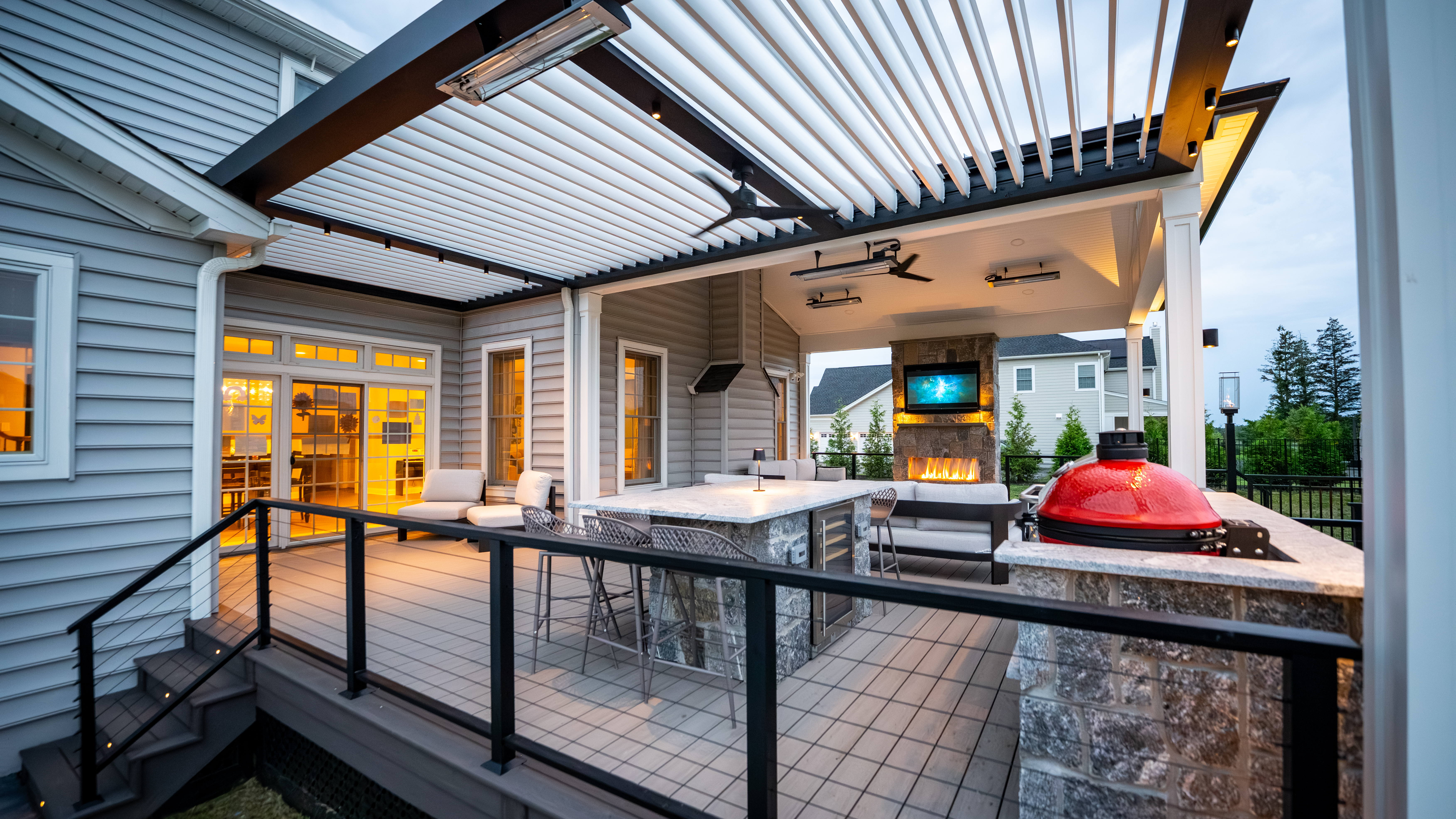
When you step back and look at all of these features together, they point to a bigger shift in how outdoor spaces are being designed and used.
Homeowners aren’t just thinking about adding a deck. They’re thinking about how that space fits into their daily routine. Cooking outside, spending more time outdoors in the evening, and having the flexibility to adjust the space depending on the weather all factor into the decisions being made.
Features like outdoor kitchens, lighting, motorized screens, and louvered roofs all serve a similar purpose. They make the space more usable, more comfortable, and more consistent throughout the day and across different seasons.
What we’re seeing in our projects is a move toward outdoor spaces that feel intentional from the start. Everything works together, rather than being added piece by piece over time. The result is a space that doesn’t feel separate from the home, but more like an extension of it.
As these features continue to become more common, the expectation is changing as well. Outdoor living is no longer just about having a place to step outside. It’s about creating a space that supports how you want to live at home, every day.
If you’re starting to think about what your own outdoor space could look like, the best place to begin is with a plan that brings everything together from the start. At Deck Remodelers, we design and build fully integrated outdoor living spaces that are tailored to how you want to use them, not just how they look.
If you’re ready to explore what’s possible for your home, reach out to schedule a consultation and start the design process today.